Two Languages = Smarter Brain

imageimageimage

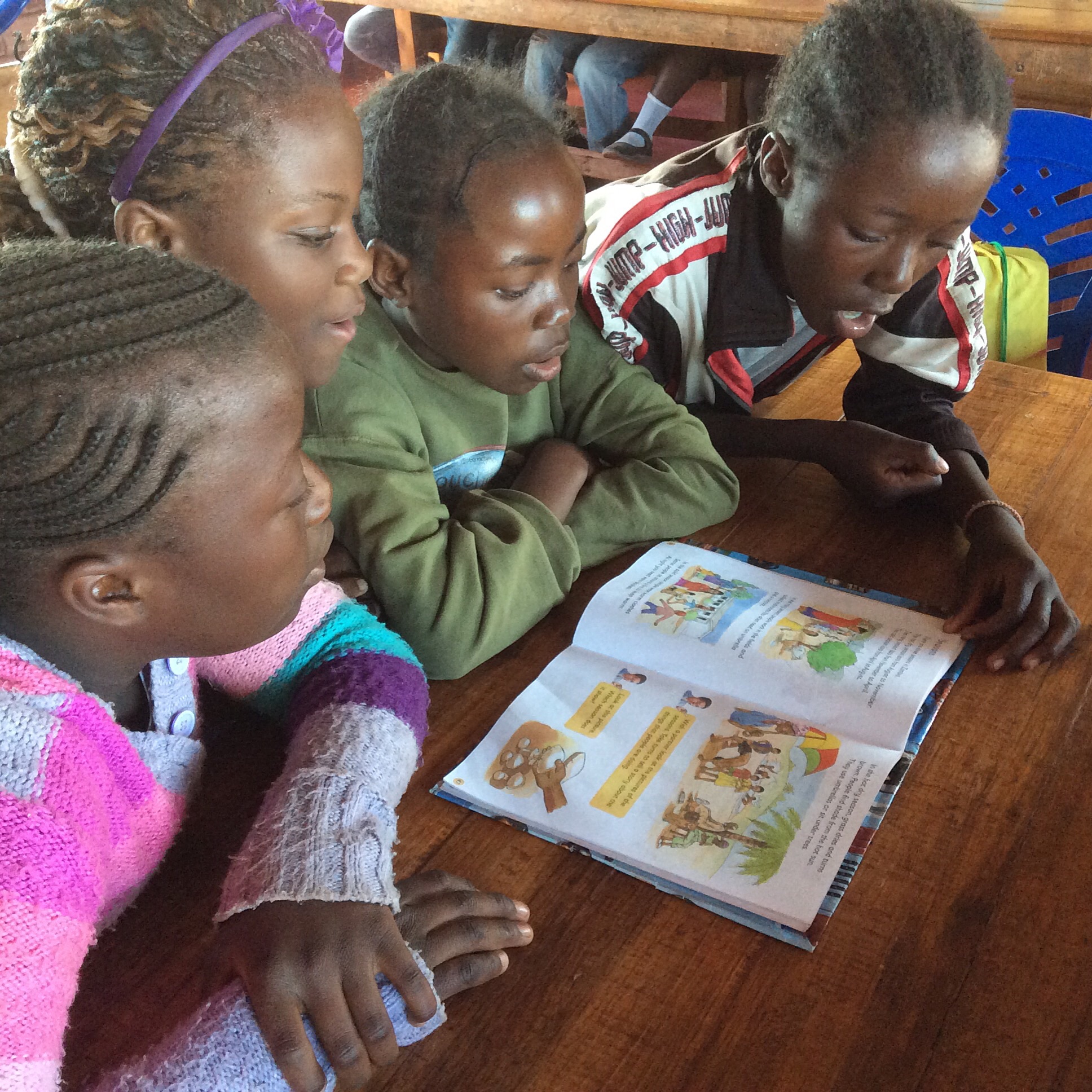
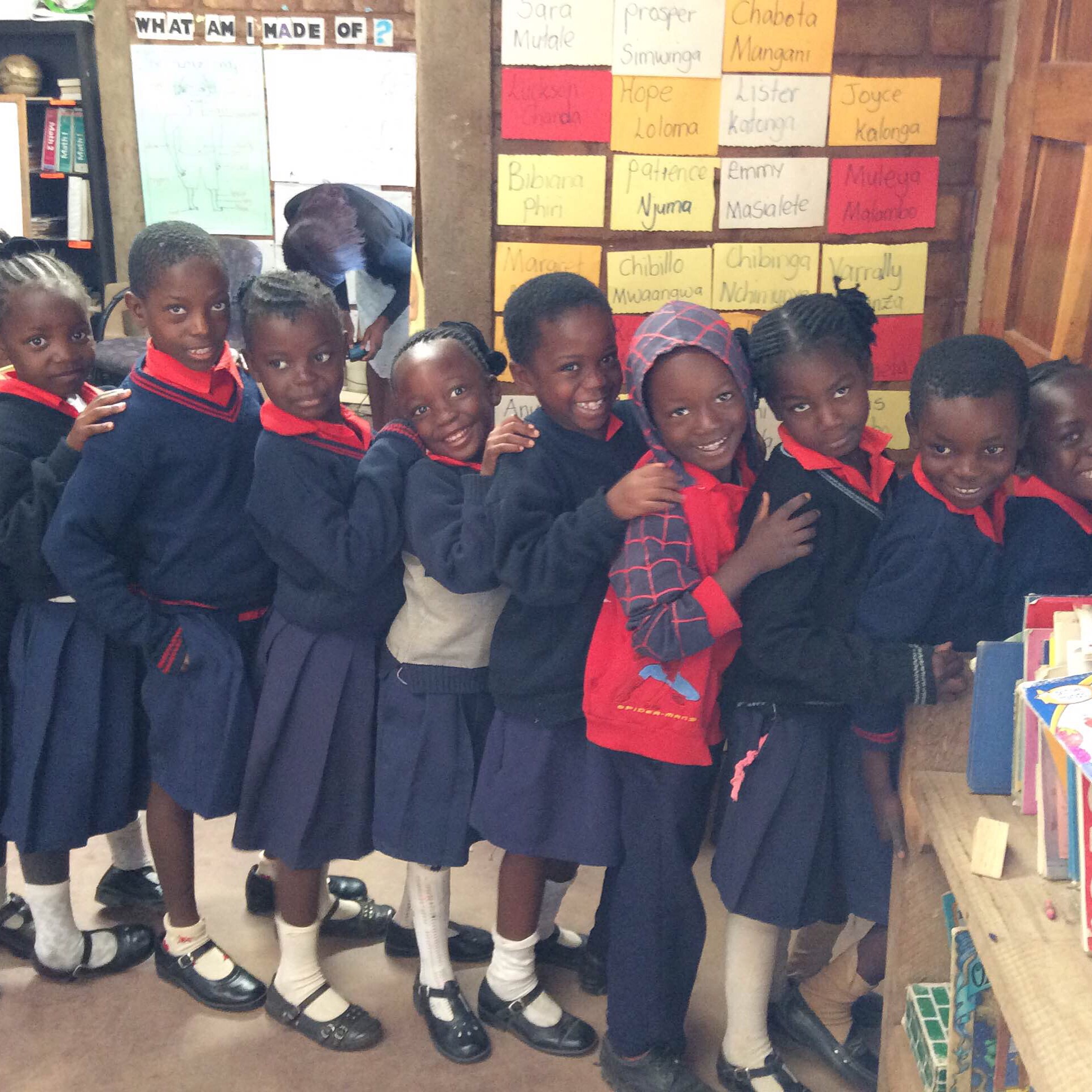
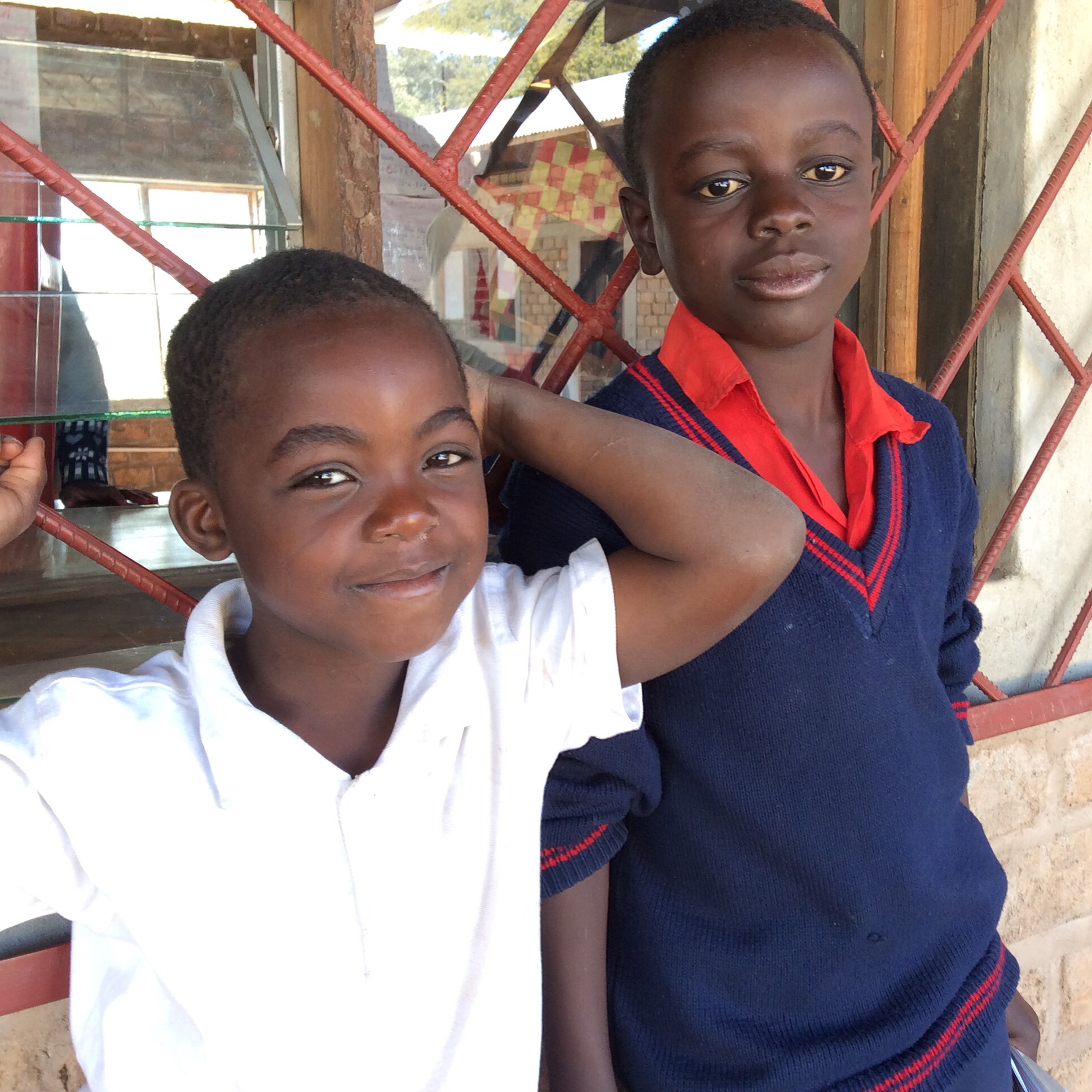
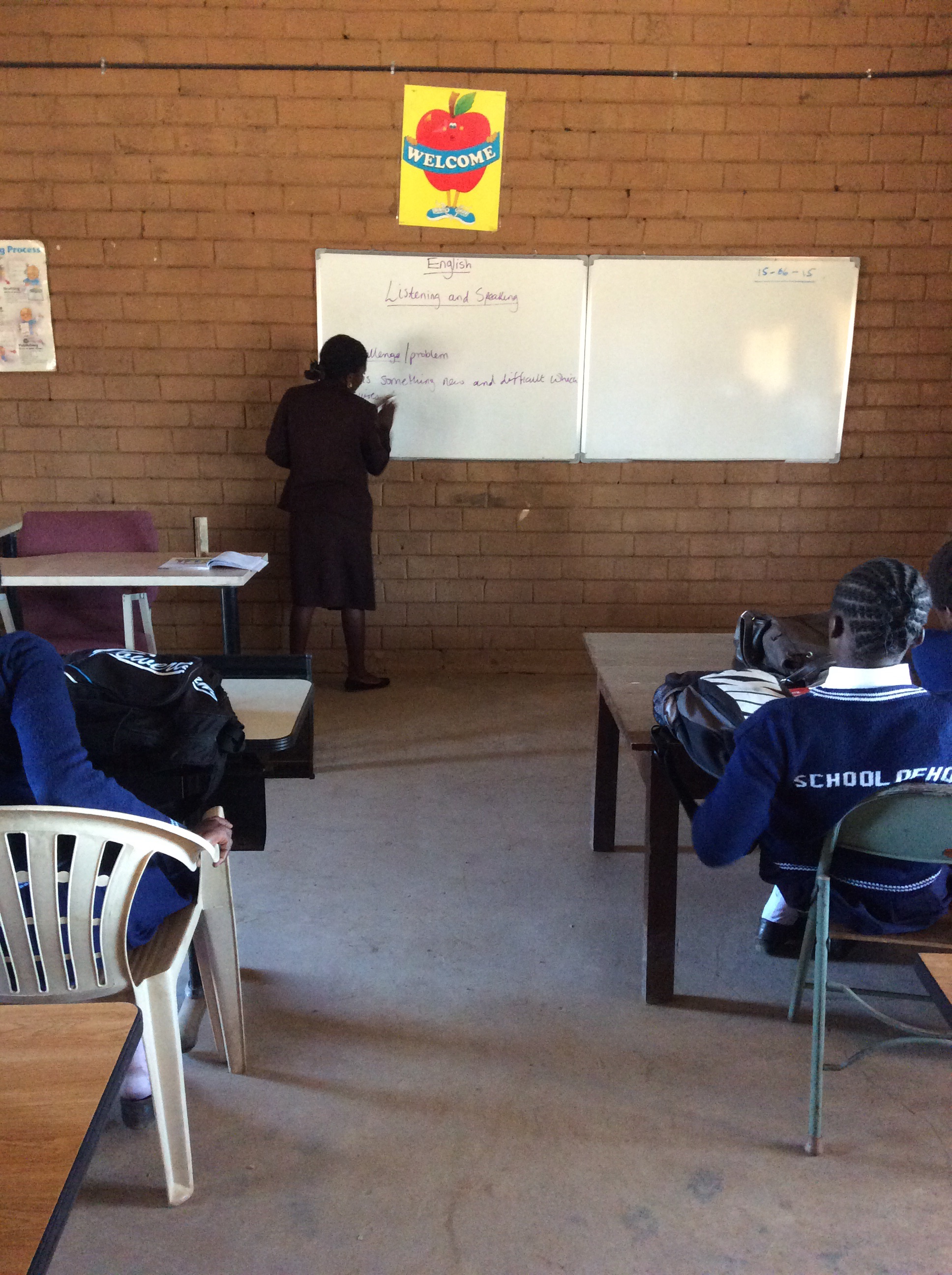
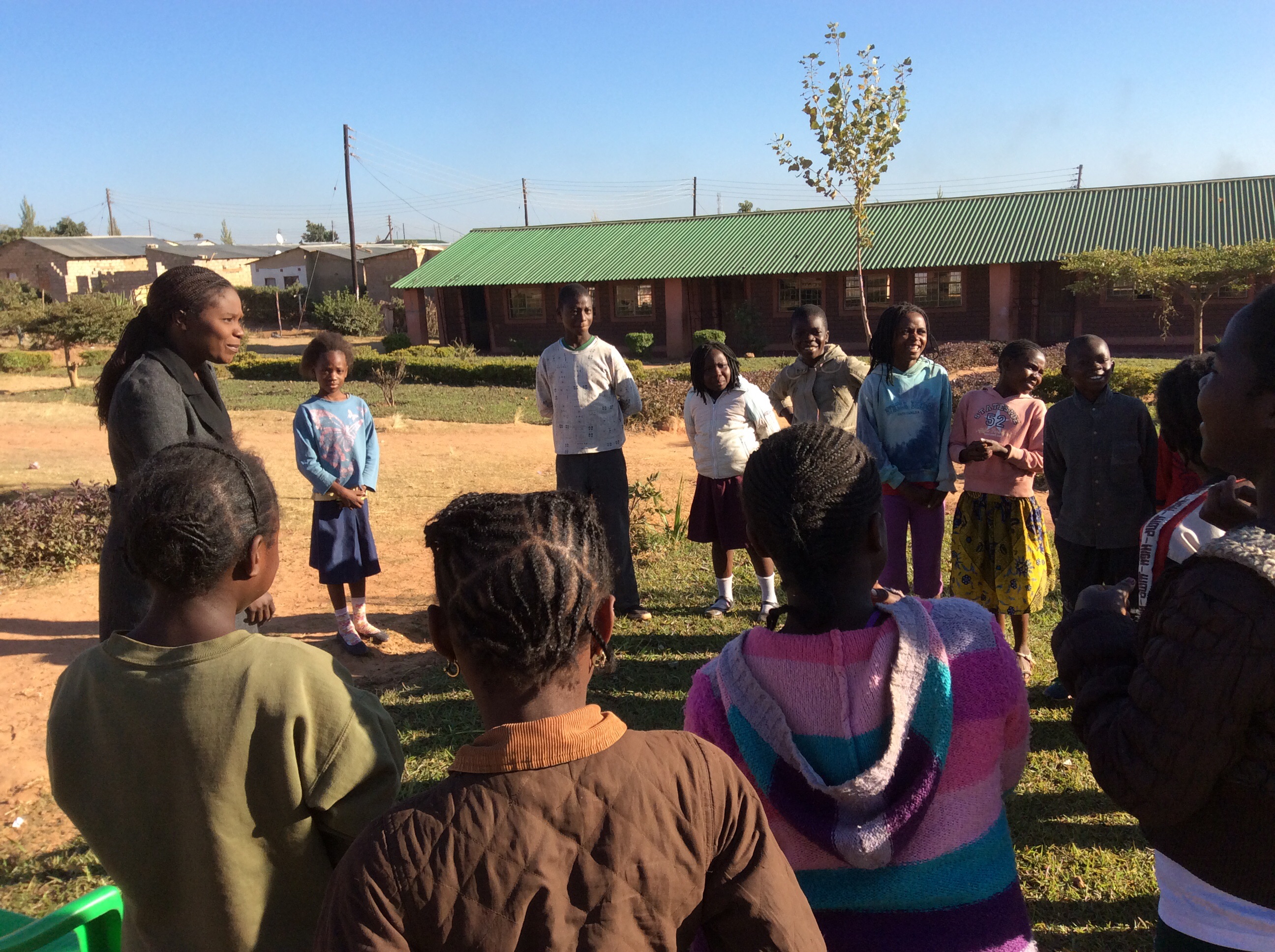
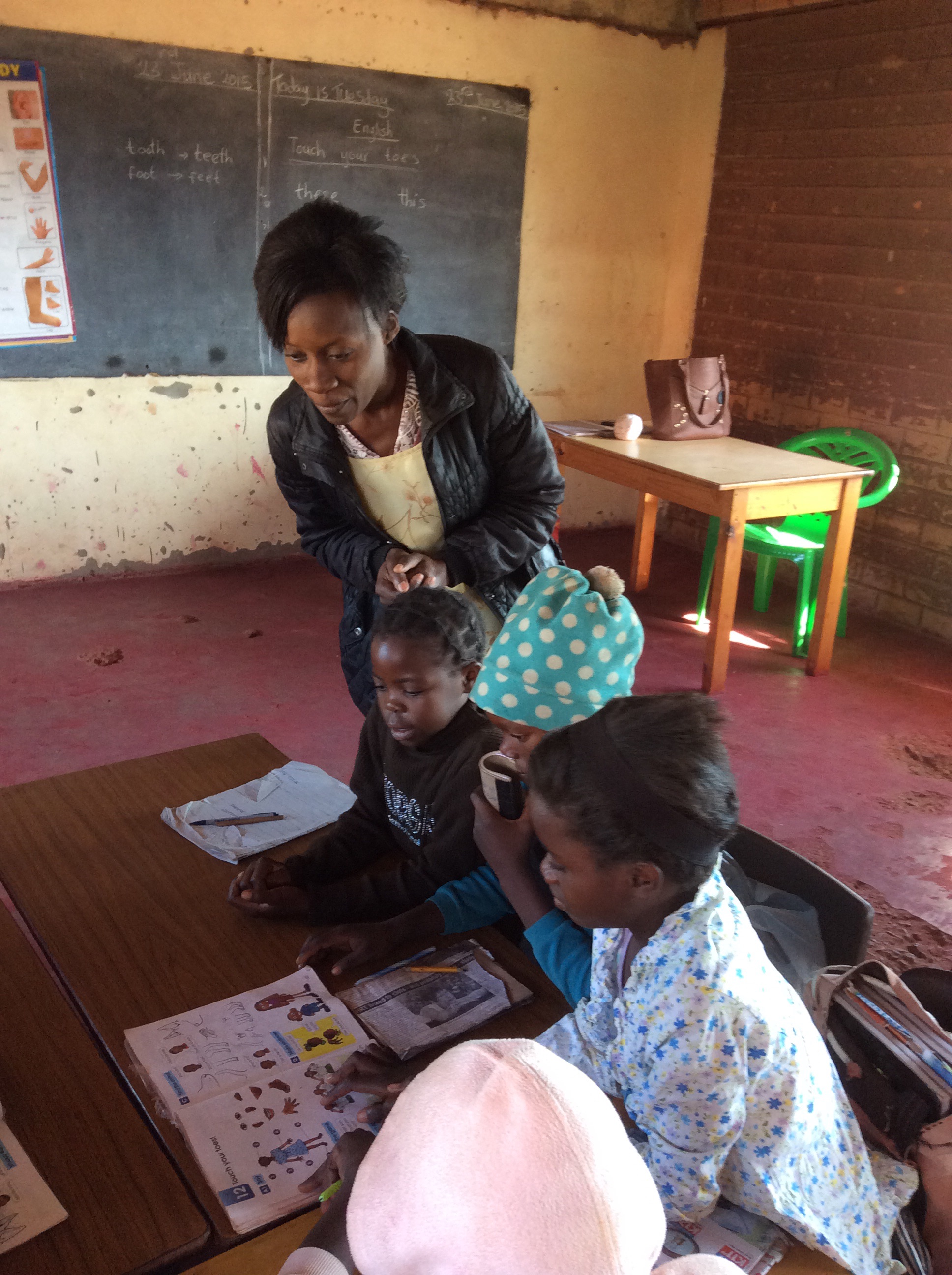
I’ve been thinking about the bilingual brain a lot this week and of all of the students at Shine Zambia who speak Nyanja as their first language while learning to read, write, and speak English at school. Yes, everything environmental is printed in English, but the dominant spoken word is Nyanja. I’m in awe of the teachers who switch back and forth between the two languages to help their students understand and feel success. It’s remarkable. Thinking back a few years while attending an ELL class, I learned the bilingual brain is indeed a smarter brain and I truly believe it after two weeks of watching it in action.

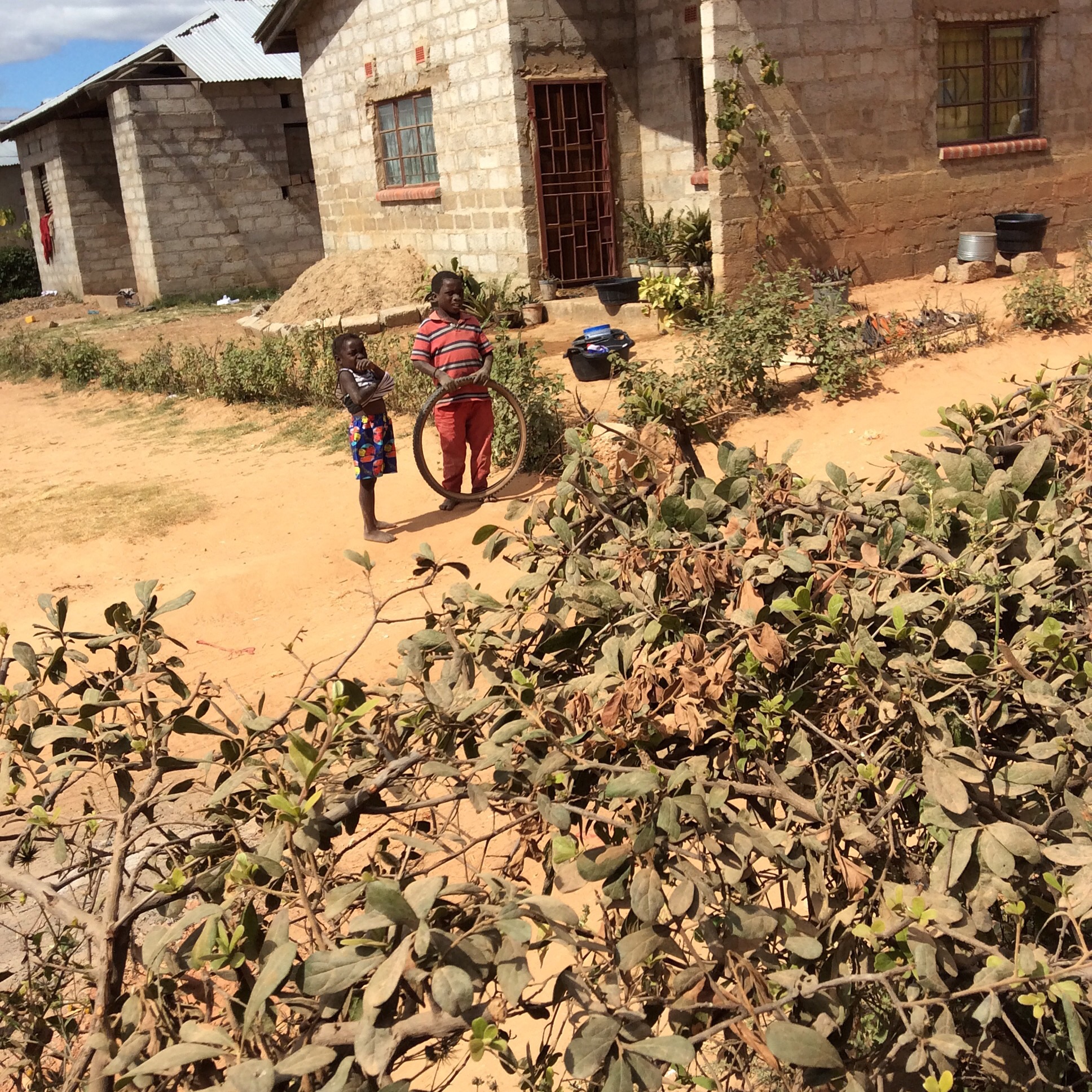
Observations on Life in Mtendere East Compound

~ In the span of under one hour, a woman balances on her head a full five gallon bucket of water and walks over two hundred yards to her home. She does this at least six times.
~ A man walks down the road proudly holding a dead rooster in his hand. Dinner?
~ Lots of school age children enjoying playground equipment, but not attending school. Most likely because their parents cannot afford the cost.
~ The light haze and smell of charcoal wafting throughout the day.
~ A mama doing laundry on the dirt curb outside her home in two big buckets, air drying the clothes on a line on the side of her small two room house.
~ Too many young children to count who do not have shoes – a requirement to attend school.
~ Cars and trucks playing “chicken” on a narrow dirt road atop a dathat has burning garbage on one steep side and metal roofed shanties on the other.
~ No “poor me” pity parties. By anyone. Ever.
~ An entrepreneurial based economy – small privately owned road side businesses set up in metal roof lean-to’s with cardboard signs and plastic blue tarps for walls.
~ Dirt roads peppered with moguls the size of small VW bugs and protruding microwave sized chunks of rock.
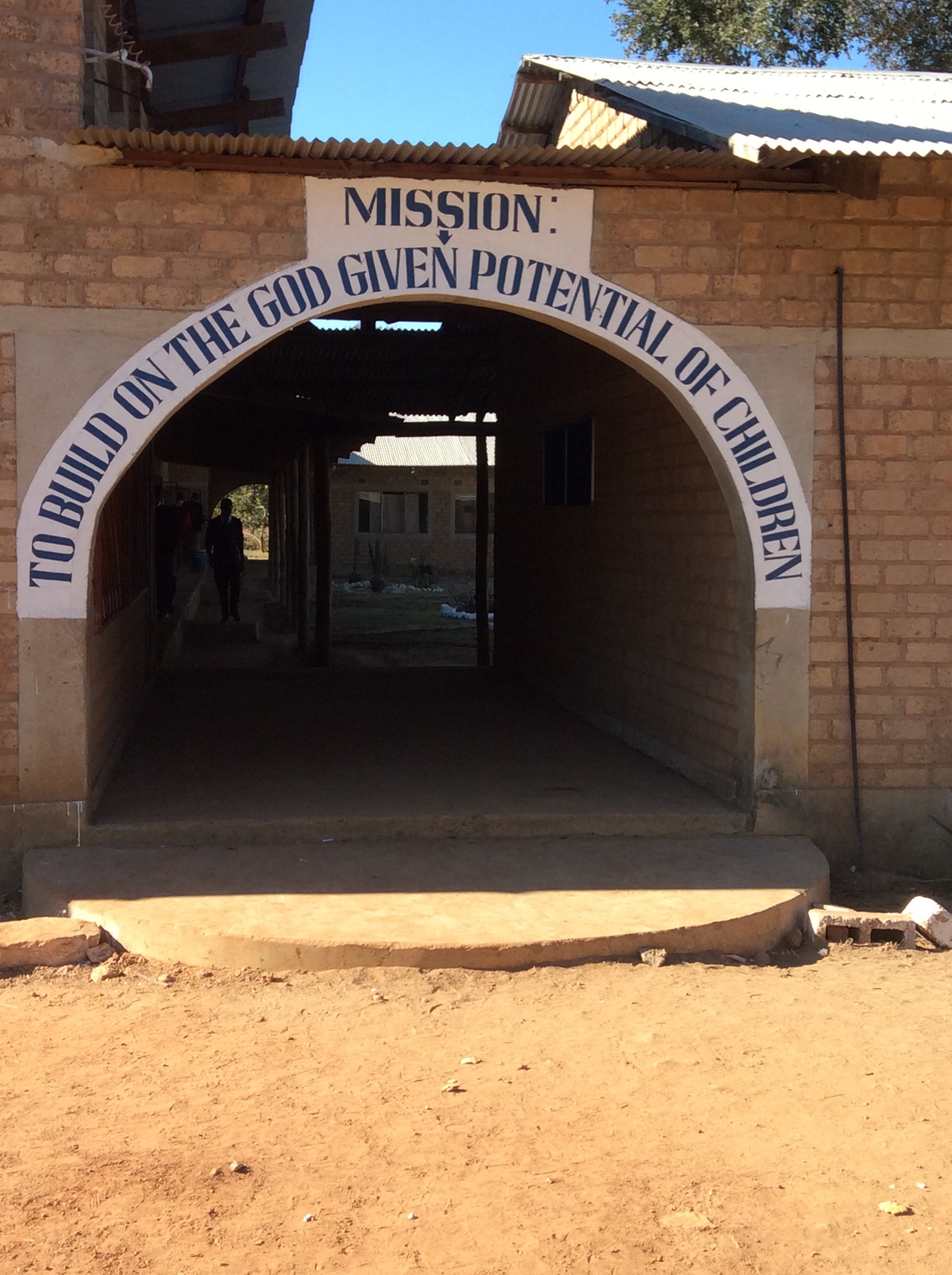
~ A school called Shine Zambia Reading Academy that anchors the compound by providing education to their children, adult classes in the afternoon, a playground that keeps the kids out of dangerous streets, a worship location for two churches on Sundays, and the only library for miles that is accessible to all.

image  image

School of Hope

imageimageimageimageimage

Shalubala Inset

imageimageimage

image

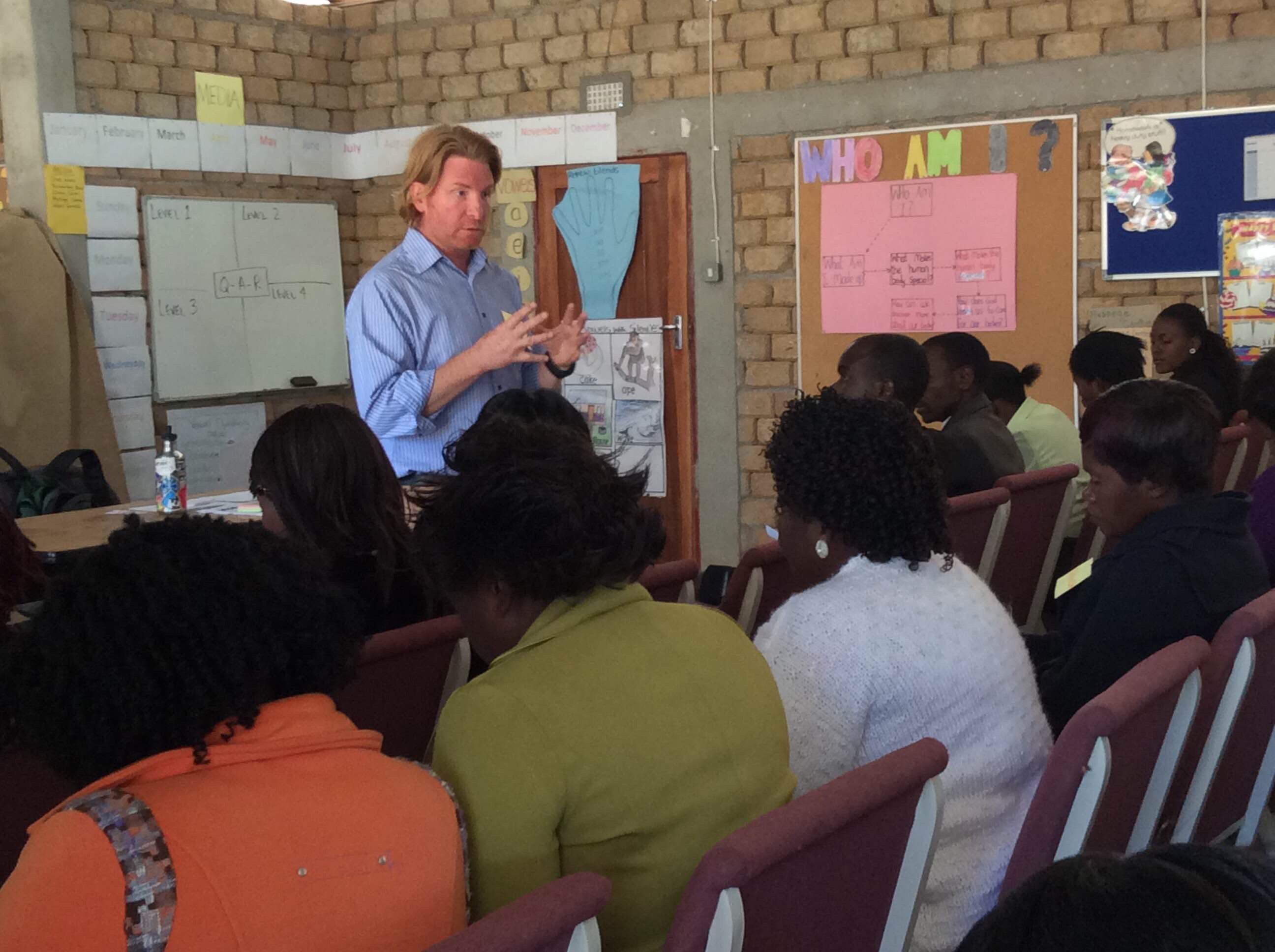
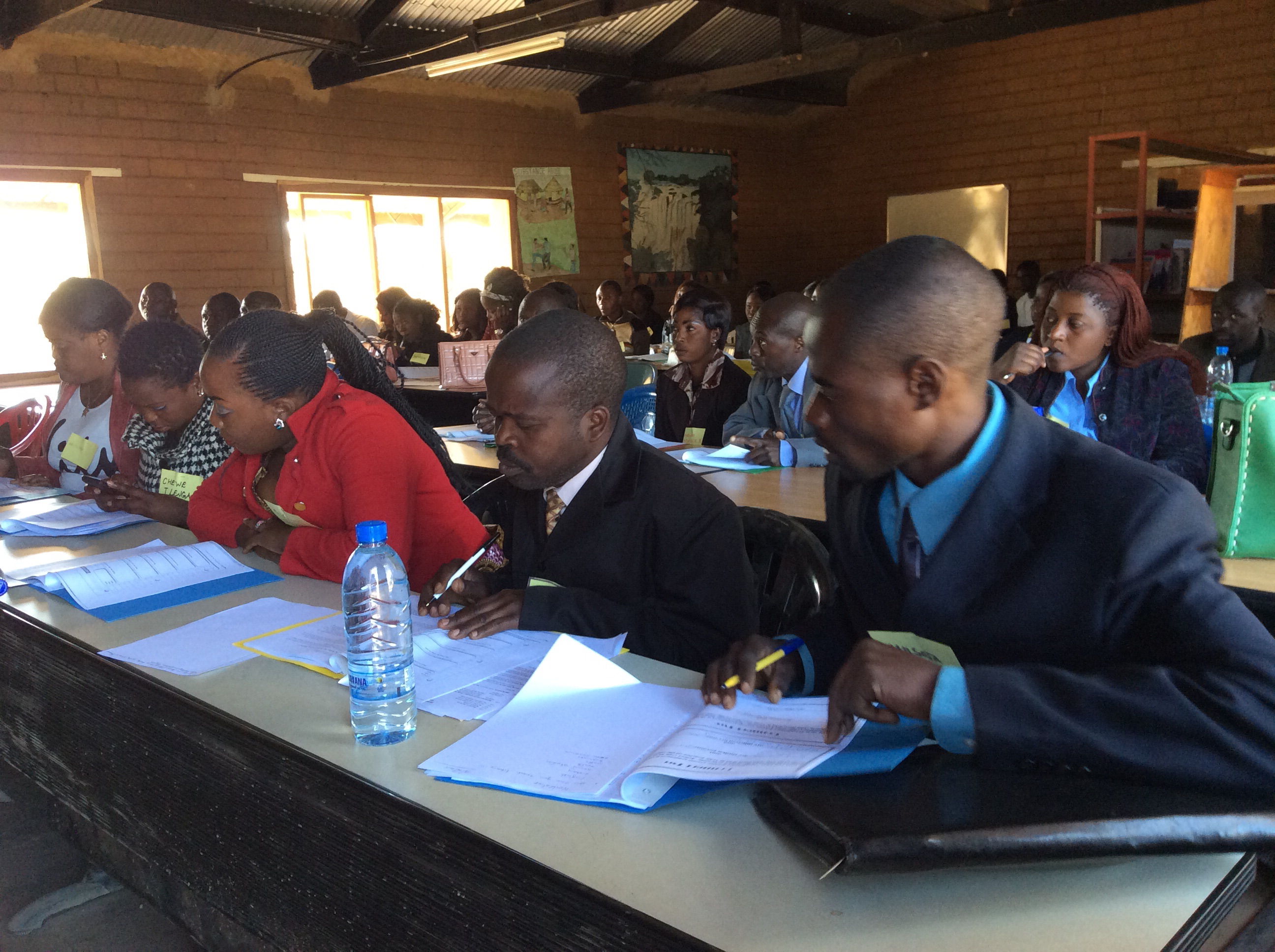
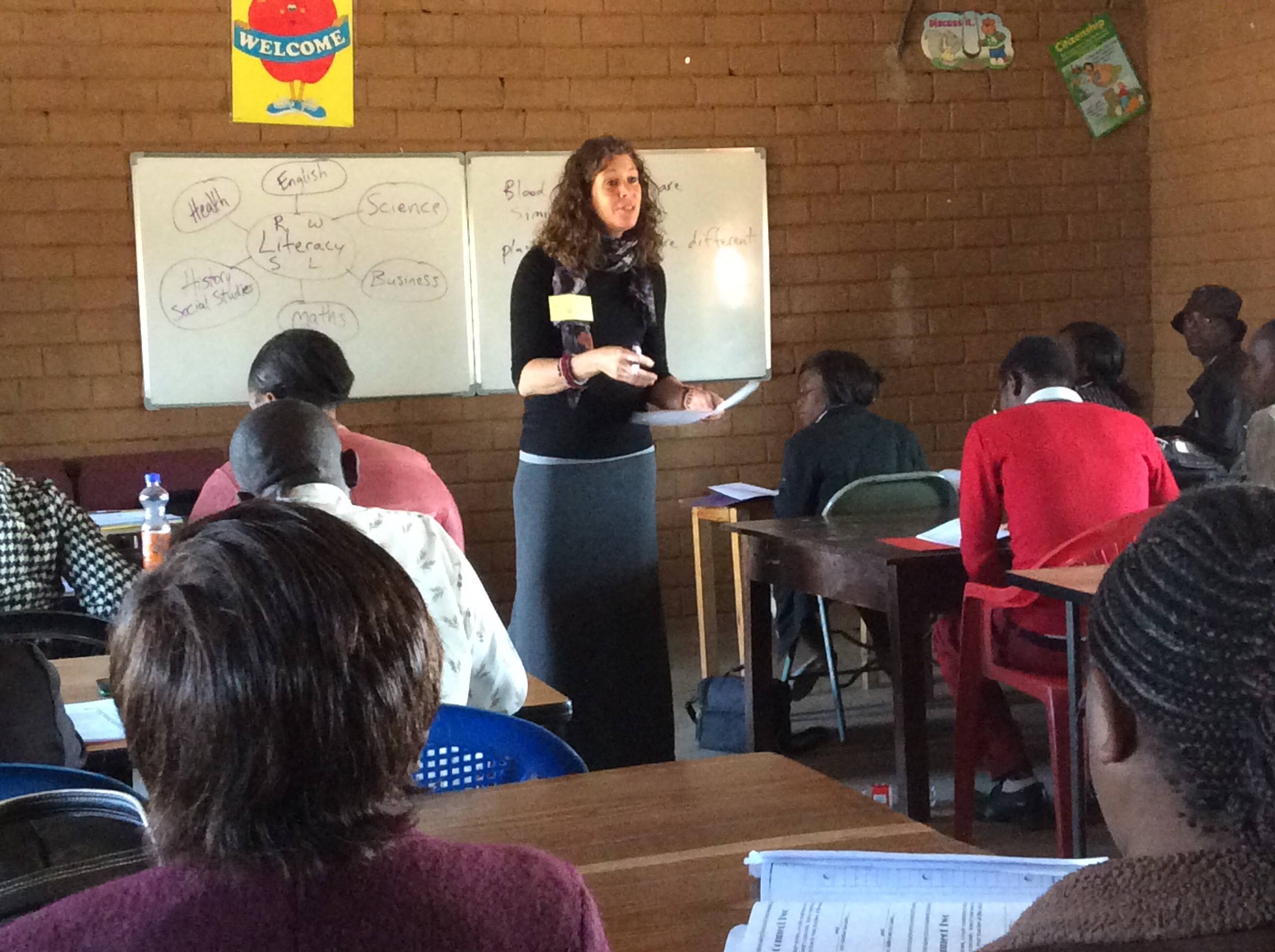
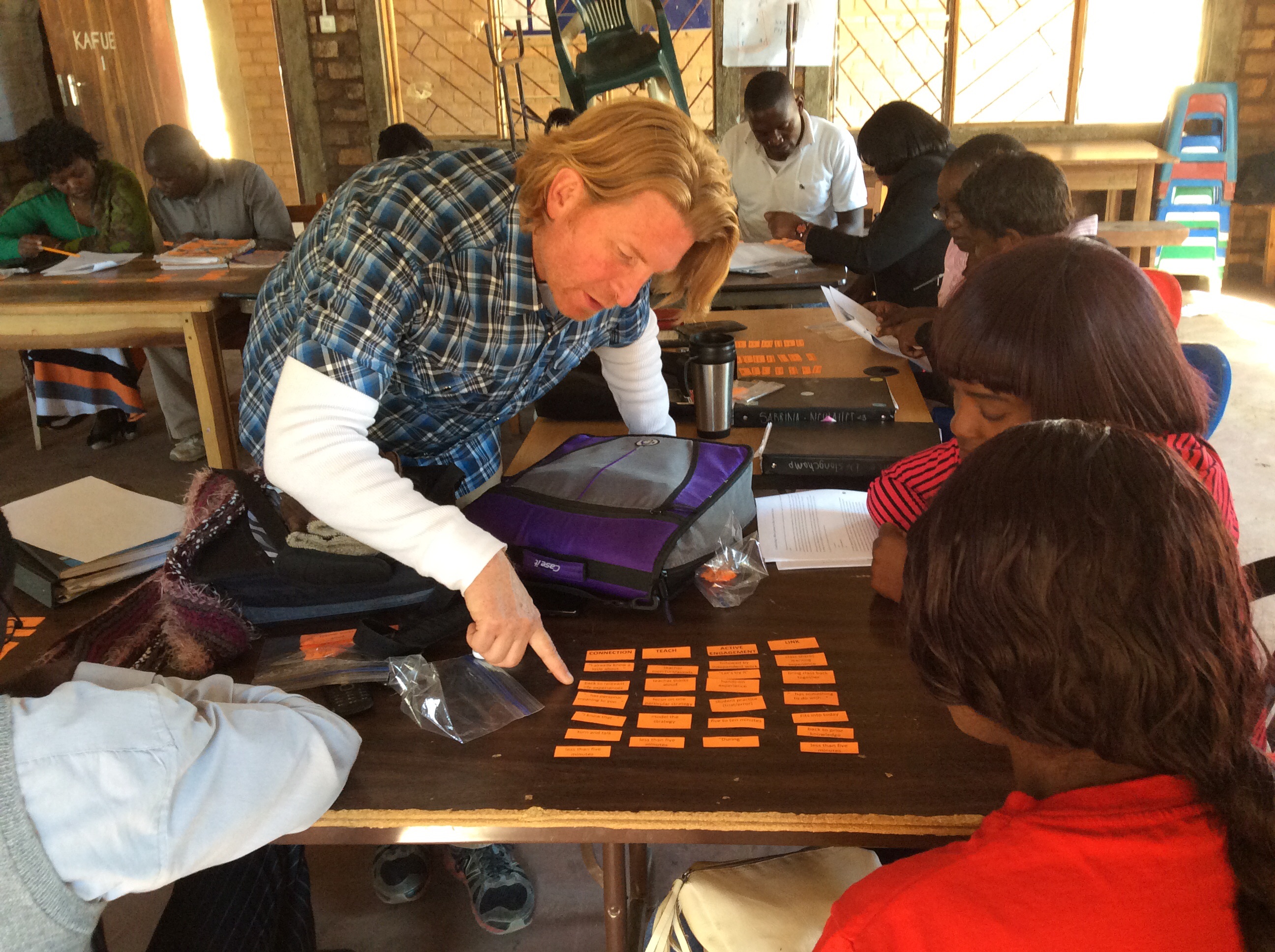
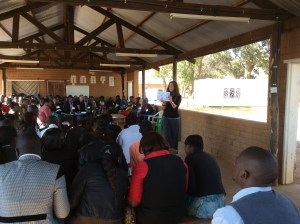
On Friday, 150 teachers from area schools came to School of Hope for the Shalubala Zonal Inset (inservice). It was a remarkable day. Teachers were given four or five options of workshops to attend during each breakout session. Along with Dave and I presenting literacy based sessions, other Zambian teachers offered valuable workshops on teaching students with ADD, student empowerment, organizing clubs, and the new Zambian syllabus.

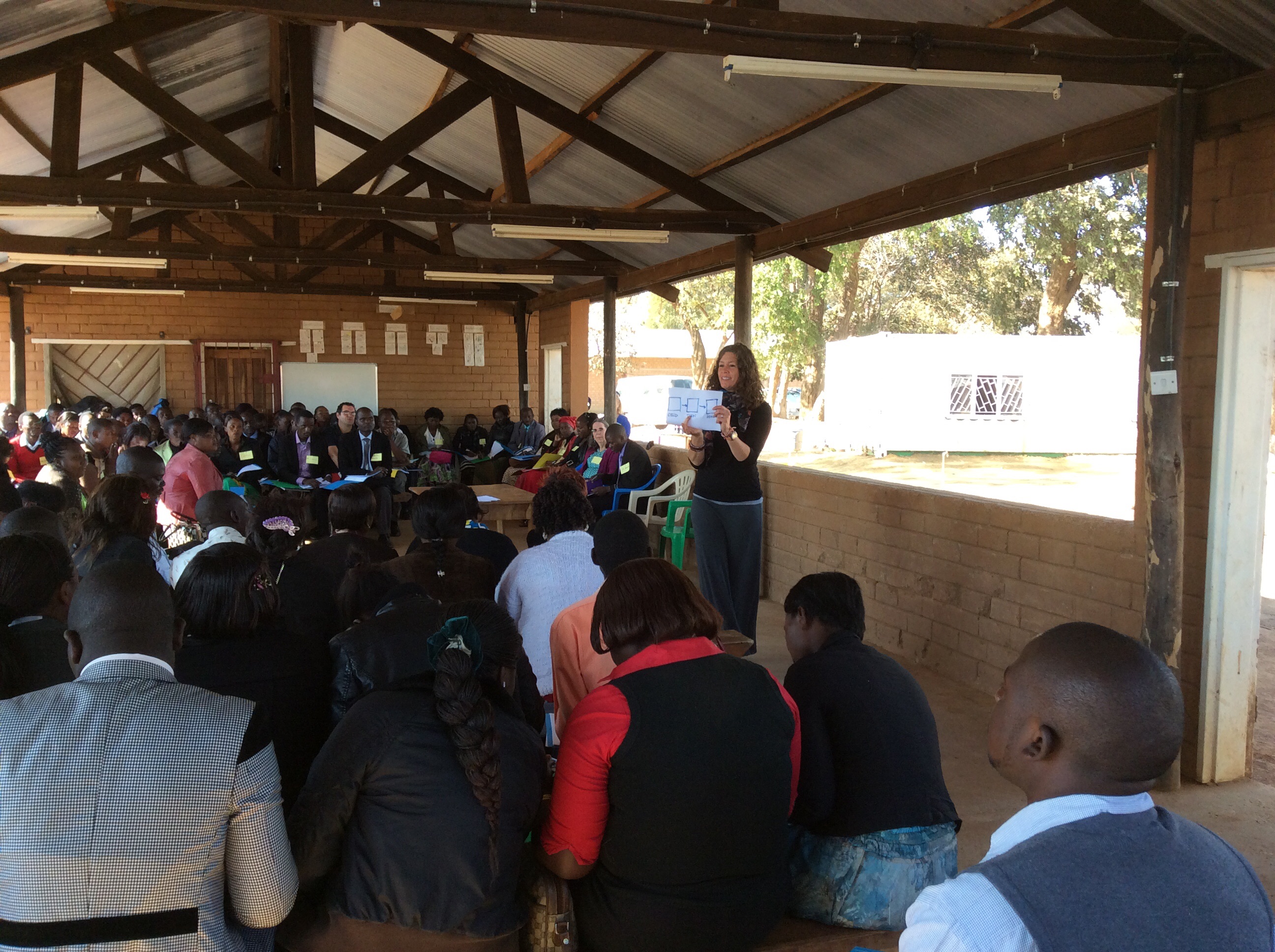
I was given the honor to address the whole group at the start of the day – my first keynote – in Zambia! In reflecting on what I wanted to share, three ideas came to mind. As a gardener, I look at teaching a lot like gardening, so I spoke of the need to cultivate student engagement, nurture student relationships, and to grow the capacity as teachers to create critical thinkers and problem solvers.

Personally, my favorite part of the keynote was when I asked teachers to draw three boxes in their conference folders. In box #1, teachers were to think back to their favorite elementary teacher and write the name down, and in box #2 was the name of their favorite high school teacher, and box #3 was to have the name of an adult mentor or someone who pushes them to be the best version of themselves. Teachers were then asked to share with peers around them names in the boxes. Everyone was talking and laughing about memories of their own schooling. As the keynote wrapped up, I encouraged and challenged teachers to become like those names in their boxes, to lift children up in their classes, and to build connection with the most valuable resource – our students.
A Few Photos to Share

imageimageimageimageimageimageimage

Perspective

image

image

Our experiences shape our perspective. Our perspective shapes our experiences. It’s similar to a math equation. I teach 8th grade language arts and social studies. It’s my job to be literate about the past and present of both the U.S. and the world. For many Americans, myself included, I believe my perspective on the world is spot on, meaning that I know the world rather well.

I don’t.

My perspective has quickly changed in regards to what I thought I knew about the world. This shift in perspective is due to my experience traveling to Zambia.

Here are a few examples:

Before I traveled to Zambia, I saw America as a wealthy nation. After a layover in Dubai, I realize that we are, but we are not.

Before I traveled to Zambia, I had an understanding of the challenges minorities and new immigrants in the U.S. face daily. After spending just under 24 hours in Dubai as a blonde hair, blue eyed, English speaking, christian American, I know what it feels like to stick out.

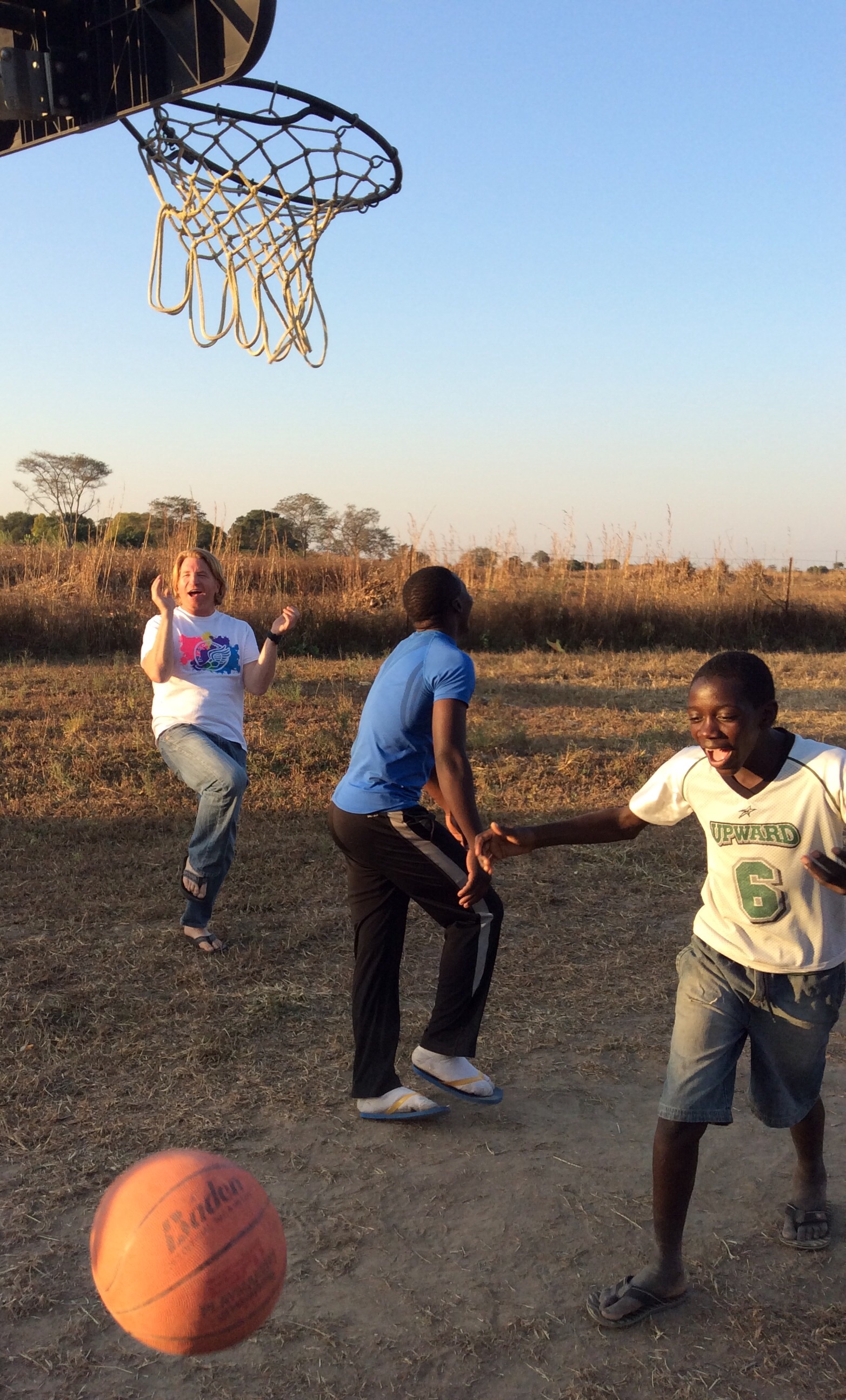
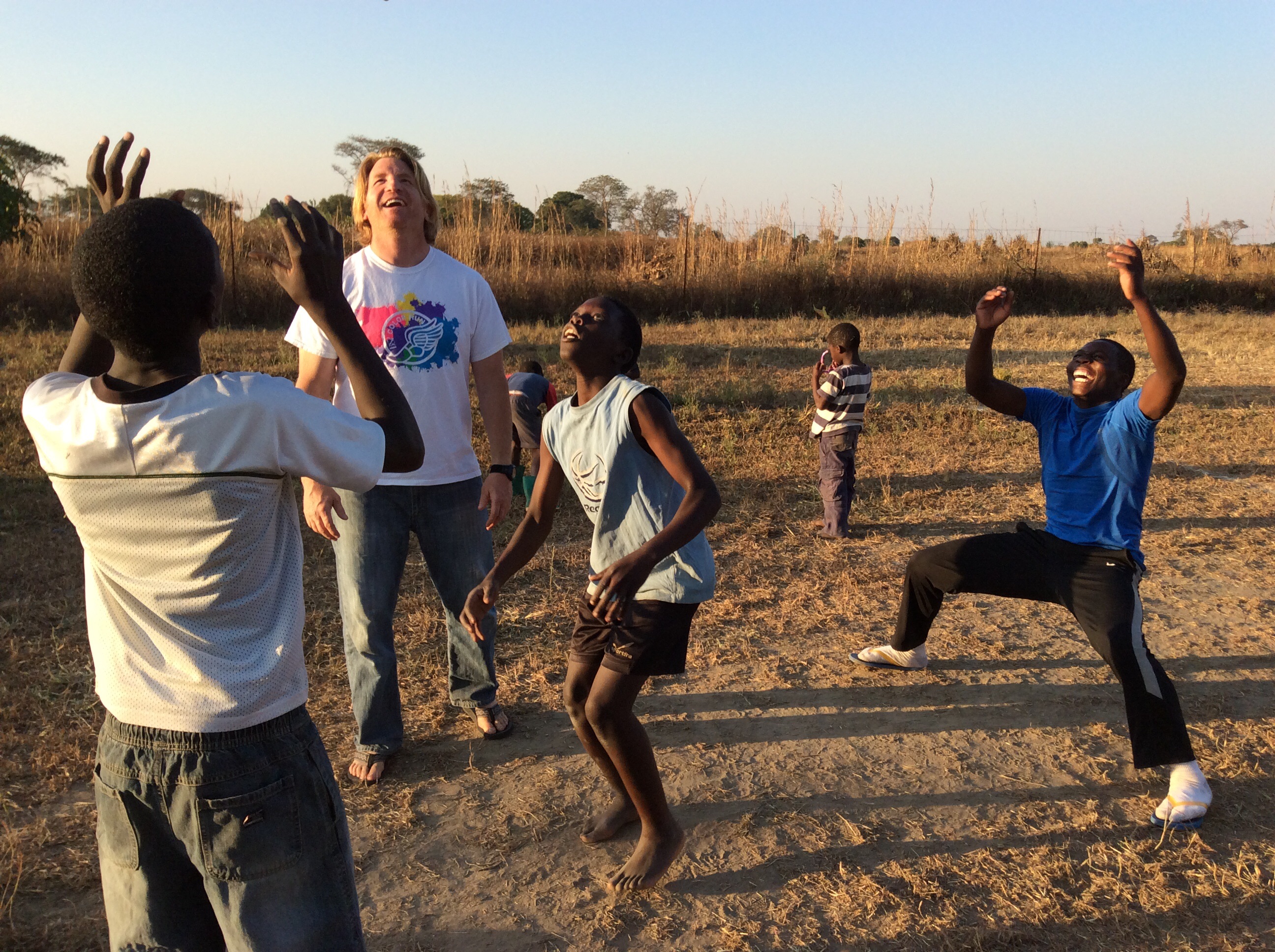
Before I traveled to Zambia, I had an understanding of the need for a father figure in the life of a vulnerable child. After feeling joy and connection with five orphaned teenage Zambian boys brought about from two hours of playing basketball together, I love been called “Uncle Dave”.

The Power of Observation

image      image

The Power of Observing

A robin in the birdbath. Kids playing frisbee in the driveway. My neighbor working in her garden. A bee buzzing around the zinnias out front. My sweet Lucy dog asleep on the back porch. These are things I love to watch – observing little bits of life – noticing small details to help me better understand what’s going on around me.

As always, our first day at a Zambian school is spent observing teachers, watching their students, and noticing the culture of a classroom. All too often, teachers across the globe are rarely provided the opportunity to watch each other, and yet so much can be gleaned from observing. Listening to what is said while paying attention to teacher and student interactions can help steer us in the right direction on how to best serve both groups. What’s easy? Starting the conversation afterwards, naming the areas of strength in the classroom, asking what went well during the lesson, while praising the teacher for specific accomplishments in the classroom. What’s difficult but worth it? Working together to figure out how to best meet the needs of all students in the classroom, using information from the observations and from the teacher’s perspective. Yes, most school days fly by, and the kids come and go, but if we take the time to notice the little things, it might just make a big impact for our students.

image                           image

Little Treasures Between the Pages

stuff in books 001 (1)           stuff in books 002
As one of the book gatherers for A to Z Literacy Movement, I see a great number of books come into our hands. Occasionally the books contain secret treasures, flattish objects that someone who once held the book stored away inside.
Typically, they are bookmarks, but we see other items: a book’s receipt or scraps of paper with notes written on them. We picture a student patiently using the E.Z. Reader strip and see that a miniature ten-spot suitably became a bookmark. Even plastic toys wind up in books as the accompanying picture shows.
We are ever appreciative of our book donors, as we couldn’t do our work without them. And we’re reminded of the tale within the book when something slips out from it’s pages.
By Pat Kelly

Teens Making a Difference

Photo Feb 18, 11 01 32 PM                 image (8)

By Mal Keenan

What do you get when you take a group of high school juniors and the desire to do something for others? Treasured gifts…gifts for vulnerable children miles from their Crystal Lake Central English classroom.

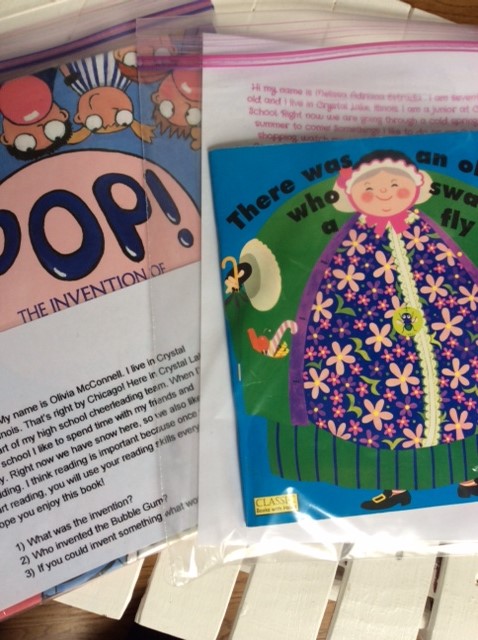
Earlier this year, I shared the work of A to Z Literacy Movement with Angela Welder’s junior English class. The students were searching for a service learning project and decided to lend a helping hand to the nonprofit. They took on the challenge to create Book in Bags for Shine Zambia Reading Academy.

The teens gathered children’s books and began practicing their reading fluency, attending to speed and expression. Other Crystal Lake Central teachers like Kylene Gott became involved, coaching them along, until these inspiring juniors were ready to record their voices with library media center director Diana Nelson.

After the story recordings were complete, the students created a page to be paired with the book that included information about them, a picture of the reader, along with a few questions about the story to be considered.

On June 11th, I’ll head back to Zambia with all of the Books in Bags to share with the children at Shine. The students will listen to the stories and hear the kind and compassionate voices of Crystal Lake Central teens who are choosing to make a difference. What amazing gifts of service and literacy.

How would the world change?

By Anastasia Gruper

How the world would change if…

…every child had the opportunity to read stories.
…every child built their imaginations and schema on different encounters with the written word.
…every child had the opportunity share their ideas.
…every child had the opportunity to write their stories.

As Mal and Dave prepare for their trip to Zambia, we remember our mission and our goals: to improve the lives of impoverished children through literacy development.

After listening to Chimamanda Adichie’s Ted Talk, “The Danger of a Single Story,” it is evident that change is taking place in Nigeria.  Through the use of literacy, people are making a difference. As Chimamanda concludes, she speaks of the “incredible resilience of people who thrive despite the government rather than because of it.” Her volunteer work teaching reading and writing workshops, building libraries, refurbishing libraries, and providing books for state schools who lack resources improves the literacy lives of children.  Her mission is similar to ours: to provide children the opportunity to read, write, and tell many stories that matter.

Safe travels to Mal and Dave, may the work you share improve literacy lives and give children the opportunity to tell their stories.