Top Ten

By Alia Hammerstone

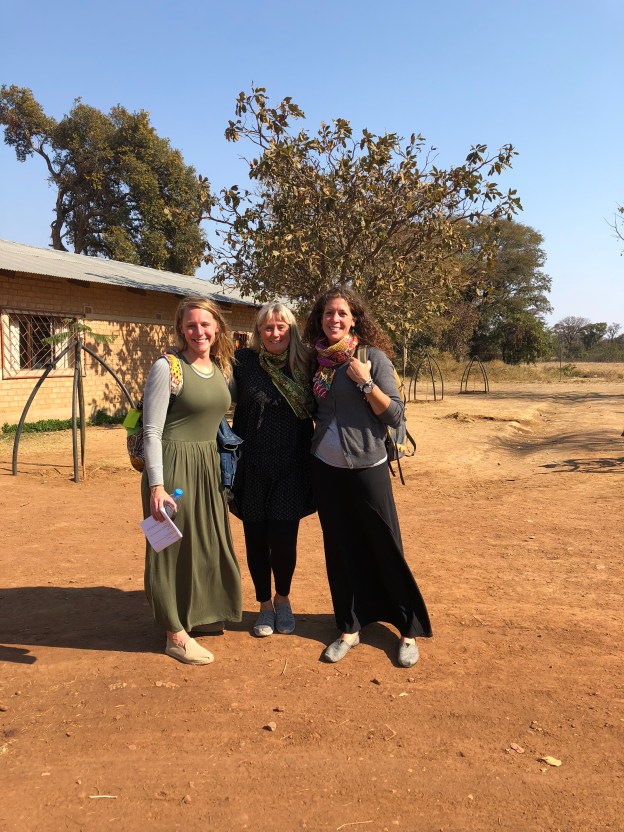
There have been so many experiences that have impacted me from the moment I stepped off of the plane and onto the tarmac at Lusaka’s airport, it is hard to narrow them down into a list, but I thought I would give it a try.

img_1598.jpg1. Watching the sunset: There is nothing quite like watching the sun set over the grassy plains in Zambia.

2. Shaking hands with Zambians: Typically accompanied by an enthusiastic smile, they are yet another example of Zambian hospitality.

3. Walking to school with the kids: Having students from the village run to greet you and grab your hand as you walk to school makes the trip that much better.

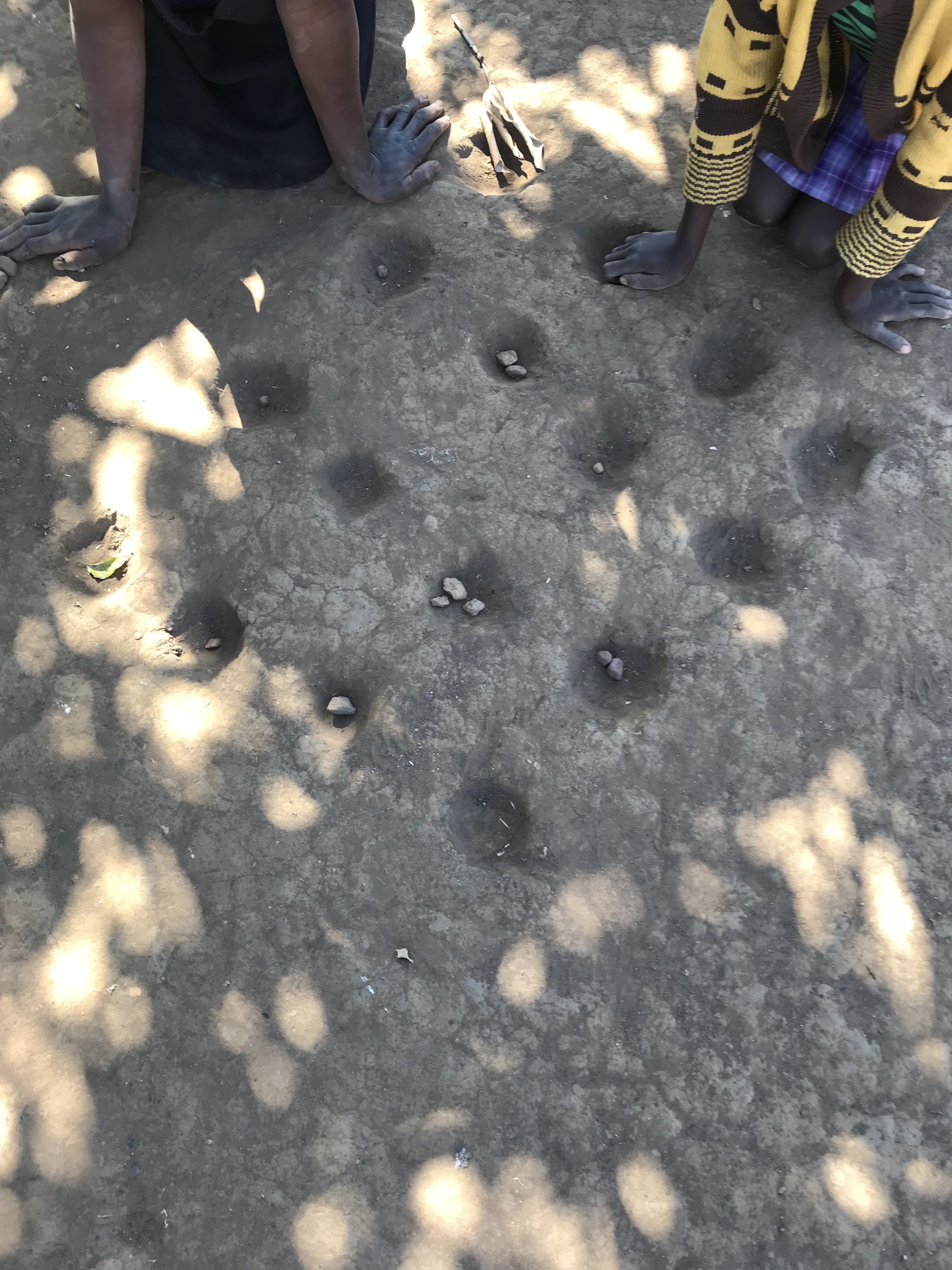
4. Playing with kids: Seeing the creativity of kids daily, and the companionship they exhibit while playing with one another is heartwarming.

IMG_1648.JPG5. Hearing people sing: On the way to school, while doing chores, in classrooms- hearing people sing fills my heart.

6. Eating Zambian foods: From nshima to kapenta, there is no shortage of phenomenal foods to try.

7. Spending the day touring Zambia with a teacher: Getting to see where her family’s land is, picking corn, and being welcomed into her home was a humbling experience.

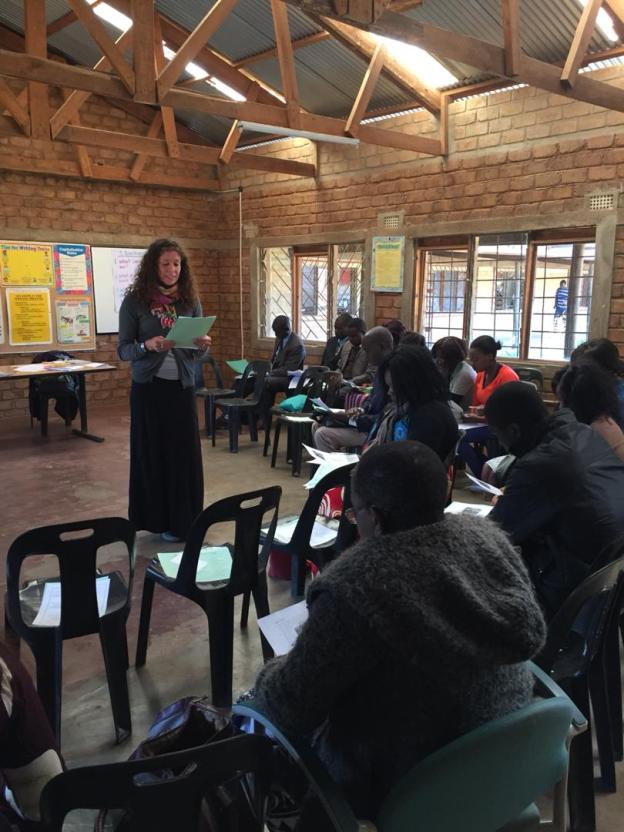
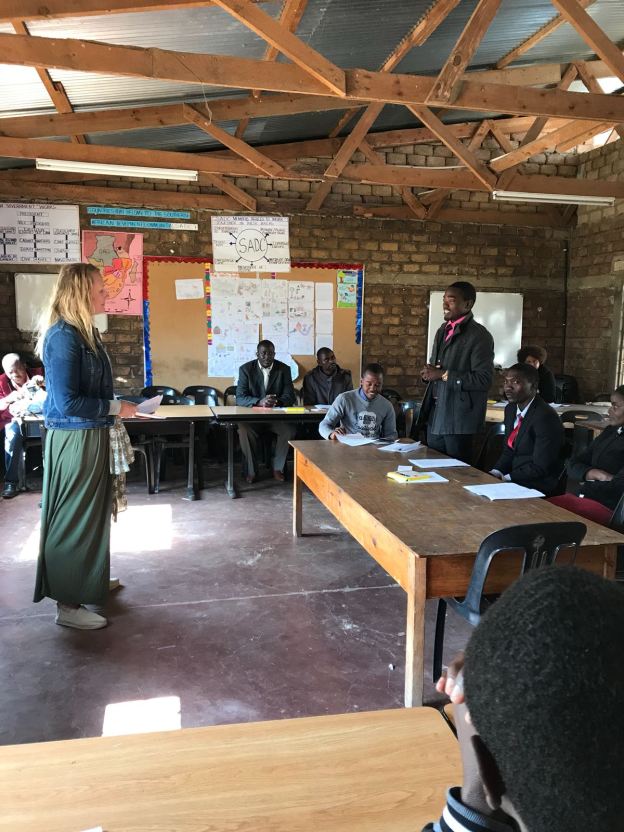
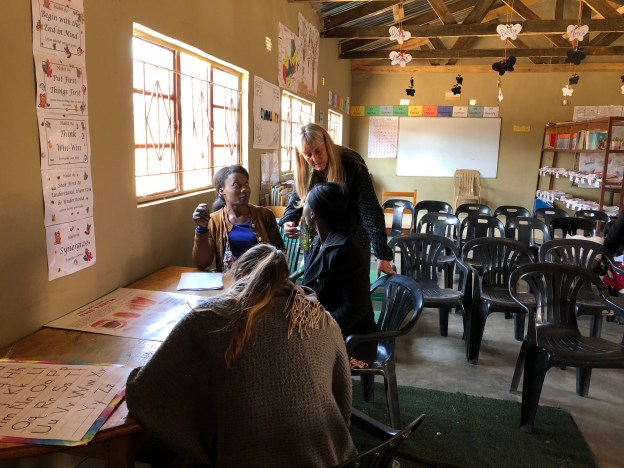
IMG_1638.JPG8. Watching great teaching: Being inspired by teachers who use their creativity and talents to engage and empower students is beyond measure.

9. Talking with students: From their lives outside of school to their career aspirations, it is evident that so many universalities abound between Zambian and American students.

10. Taking things slow: Zambian time; where hospitality and relationships take precedence over rushing or sticking to firm timetables.

Writing = Hard Work!

By Betty Trummel

Throughout my 35 years of classroom teaching I watched young writers struggle  year to year. “What should I write about?”  That was a common question. Through carefully planned lessons and instruction I helped them grow in confidence and they realized that they were indeed writers. Some grew slowly, some in leaps and bounds. Main ingredients…lots of opportunities to practice their writing skills, exposure to types of and purposes of writing, a classroom that surrounded them in books and other types of text, and lots of feedback and discussion.

14859C72-B875-4B41-A7B3-09C5B307BB6B.jpeg

Writing is much more difficult here in Zambia, where lessons are taught in both English and the local native language of Nyanja. I am working with bilingual students who often need things explained in both languages. The students here in Zambia do a lot of copying from the board, and are not often asked to write on their own. This means that independent writing opportunities do not come around often.

3EC3E91A-A2DD-4298-A3CB-CAC35AB27D07.jpeg

Writing = super hard work! I’m very proud of the Level 2 students who I’ve worked with the past two weeks. I’ve been asking them to do something completely different…to tell their stories…to write independently…to push themselves a lot!

C1845966-10BF-417A-9459-C25D6310F61E.jpeg

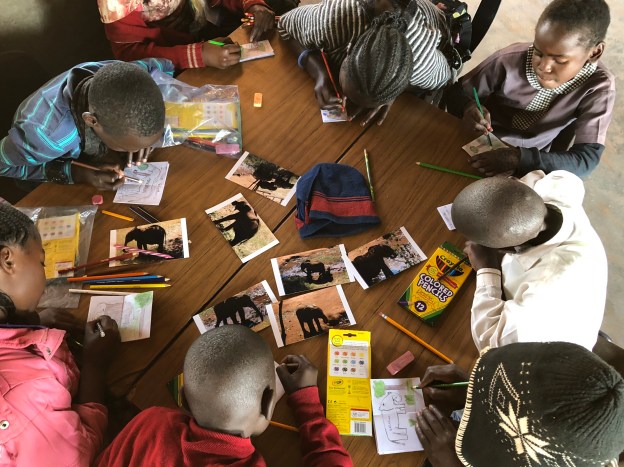
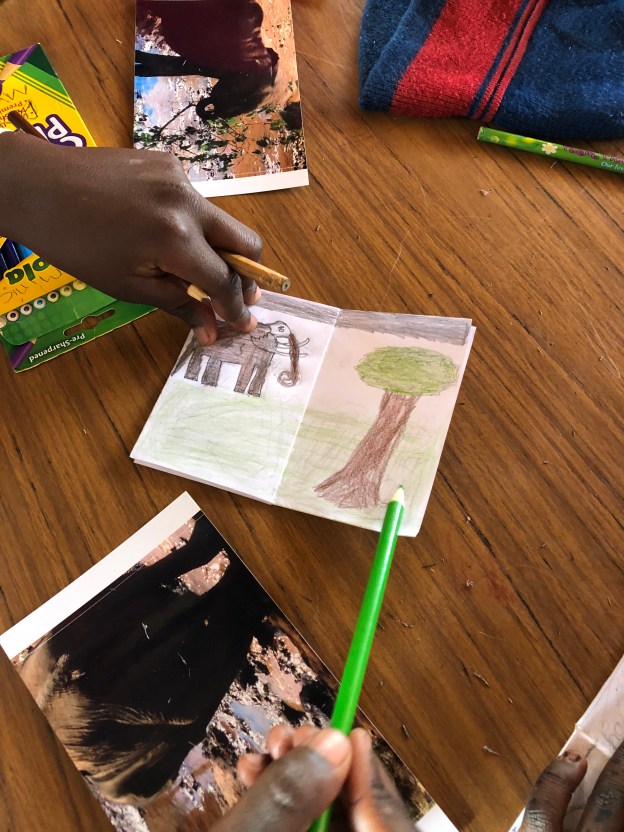
Today the two classes who attended Monday’s trip to the elephant nursery/rehab center finished their nonfiction elephant books. We had had several discussions reviewing our field trip and processing all we saw and learned before we even started the writing process.

30F956D1-E0A4-4CFC-B156-4792E83357BB.jpeg

47EDF568-9E3A-4635-84AB-3B3D1A51EB0F.jpeg

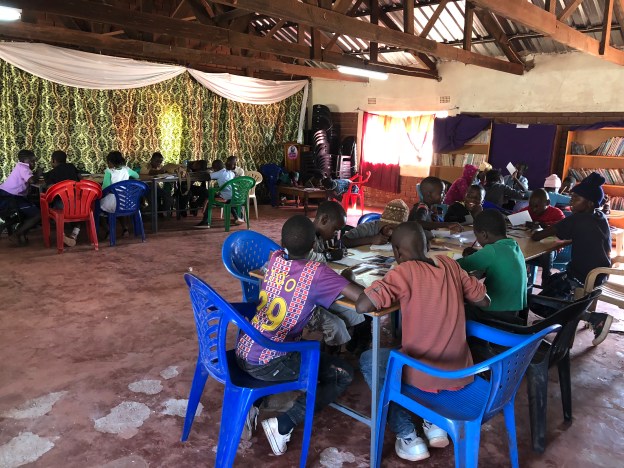
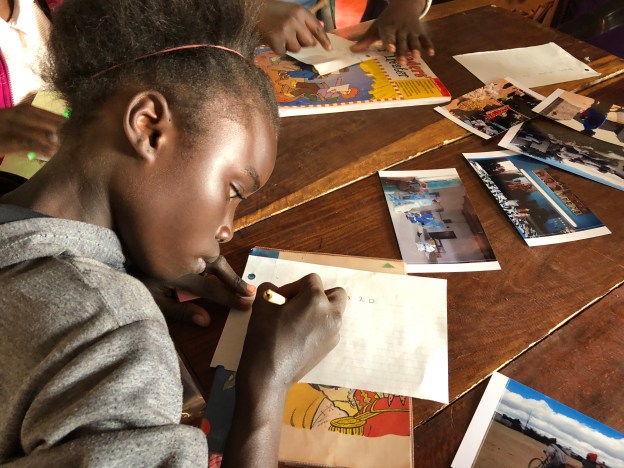
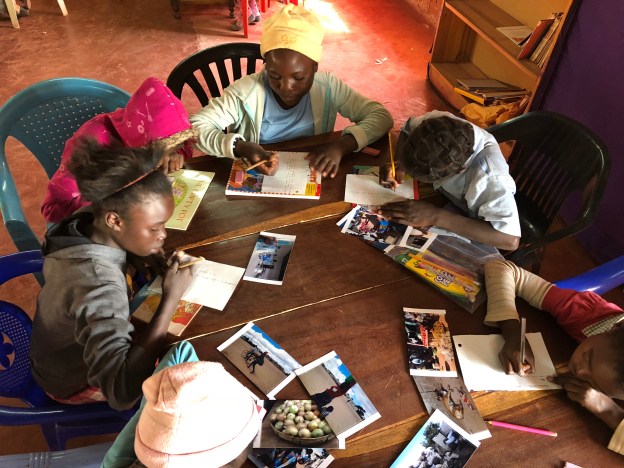
All four Level 2 classes are finishing up their personal narratives about their community. Although the myriad of photos they took were on display…scattered on their tables to give them some inspiration and ideas, it was still SO hard to get started. With heaps of encouragement and constant support from me (and some of the Shine teachers) as I was circulating around the classroom, they had a lot of success to celebrate.

7BC0CEEB-97E1-42CC-9136-DF64D88E8706.jpeg

I’m thankful to have had the opportunity to work on writing skills with the students at Shine. Their stories need to be shared and who better to tell them than those who are living the experiences.

F4CF51E9-5ED3-45B0-84FA-BDF43BEEED09.jpeg

What do pig farming and growing maize (corn) have to do with literacy?

By Betty Trummel

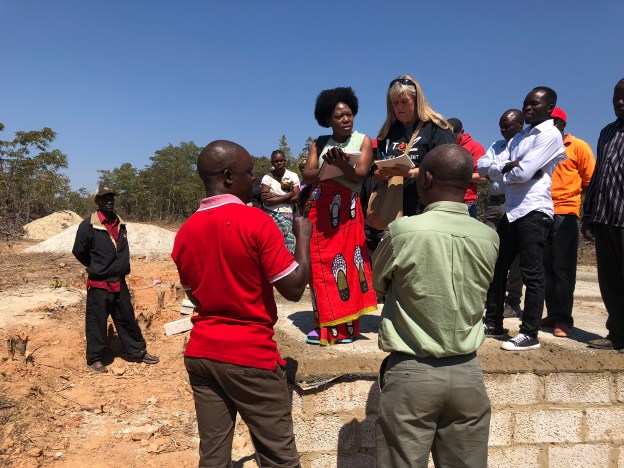
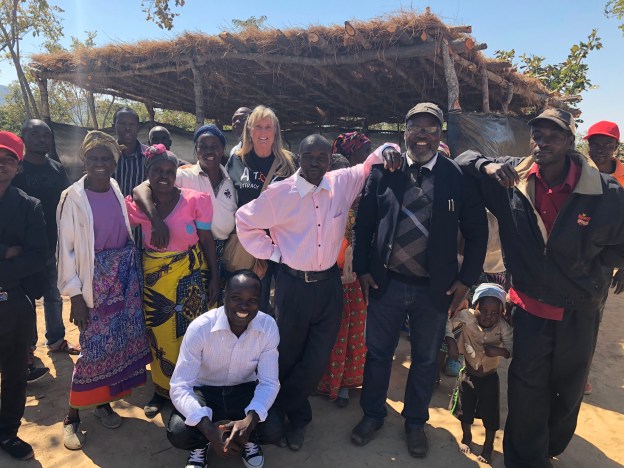
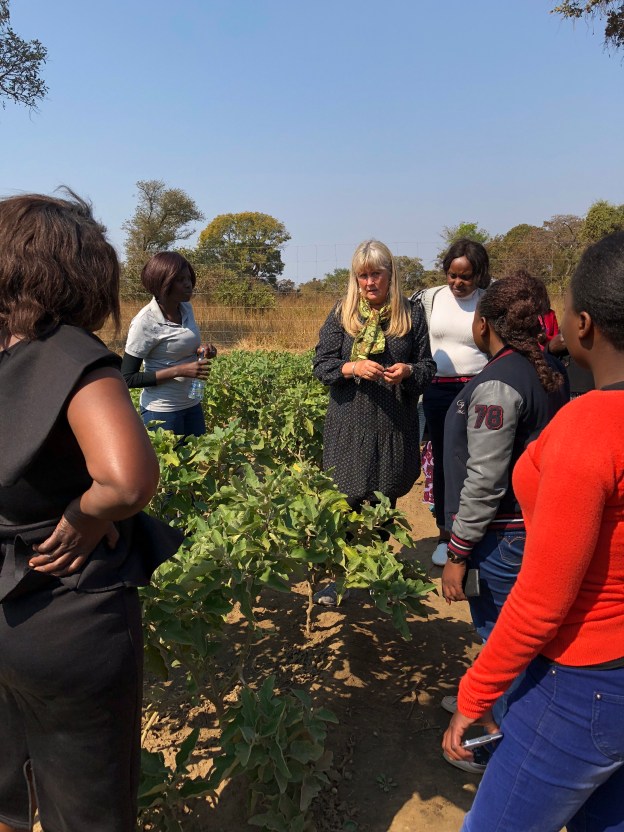
Today was an awesome opportunity to visit a 10-hectare piece of land that is owned by Shine Zambia. This parcel is located in the Rufunsa District, about 96km outside of Lusaka. There are approximately 1,500 households out here in the local bush villages.

B16423F9-1F3B-4F98-A819-40827E504664.jpeg

(The local women gave me such a warm welcome.)

So how does this relate to literacy? The importance of this land is that Shine is developing several operations in this rural area that will help support the school in Lusaka. And, they hope to build a school on the property as well. In fact, there’s a spot of land already set aside for this purpose.

Students who currently walk 10-12km  round trip to get to a government school each day would have a much shorter “commute,” and more time for learning.

Besides growing corn, the newest operation out at the property in Rufunsa is the construction of a pig farm. A gravel and concrete foundation has already been completed.

9526F827-C69A-46EC-9A96-F7CE66599DA5.jpeg

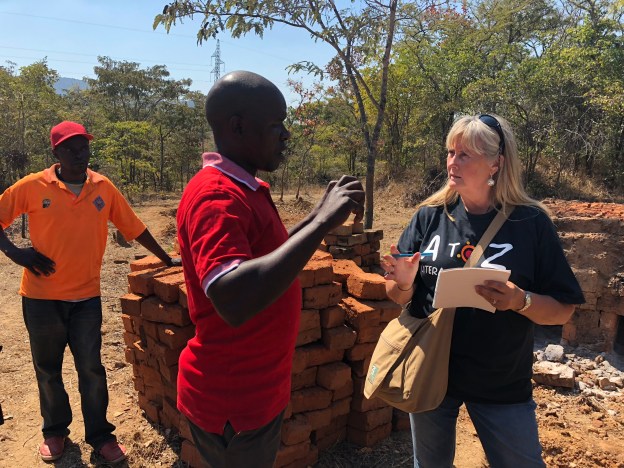
Bricks are being made from the local red soil. These bricks will be used with the concrete blocks.

FD3EC909-AED8-4E08-BEFC-42ECADDE10D5.jpeg

A local Lusaka expert, Mr. Sinoya Phiri, was on hand today to give all of us the details on how to start up this venture. I learned so much about raising pigs! Bridget, who works in the office and does the accounting at Shine, and I took tons of notes to document the process. I can’t wait to come back and see this pig farm in operation!

6DC76DBD-36C7-4B10-8251-6CAA6154509C.jpeg

663B6F16-A671-40D7-B8D8-17699A5AEA4B.jpeg

And someday soon I hope A to Z Literacy is not only sending boxes of books to a new school out here to create a library in Rufunsa, but I hope we can also provide professional development and support for another school in Zambia!

Thank you to Rev. Banda, Mr. Phiri, and the people of the village for a great day!

2AB4E804-34AD-4FCF-92EA-651E68312F18.jpeg

Zambian Hospitality

By Alia Hammerstone img_1556.jpg

I got a crash course in Zambian culture sitting in Teacher Mafuta’s civics class. One word came up again and again: hospitality. I listened and met with small groups of students who discussed the cultural value of hospitality- the importance of being welcoming which is woven into the very fabric of Zambian society. From walking hand in hand with new friends the first day we traveled to School of Hope, to the reception we were given complete with a song of welcome, hospitality is ubiquitous in Zambia.

Each time I walk into a new classroom, students and teachers greet me enthusiastically, standing and saying, “welcome” in a way that truly makes you feel at home. I love being welcomed and included into these classrooms- from teachers asking me to share my thoughts on educational strategies to students asking me to participate in class and help them with their work. Zambians truly strive to make you feel at home and welcomed in such an authentically genuine way.

One of the most touching moments of the trip thus far was the opportunity to travel to a government school. We were greeted warmly the moment we arrived, and welcomed into a variety of classrooms where teachers were eager to share their lessons and ideas with us. After our observations, we enjoyed snacks in the head teacher’s office and were sent home with chickens as a thanks for our visit. To have been received so warmly and given so much from a school which has so little is indescribable, but so very typical for Zambia.

95B68C25-384A-4D9C-B1AB-1F1DC6EC076D.jpeg

In a country where so many challenges persist, and so many have so little, one thing is sure: a Zambian’s number one resource is hospitality.


Field Trip Day…Lilayi Elephant Nursery!

Field Trip Day…Lilayi Elephant Nursery! By Betty Trummel

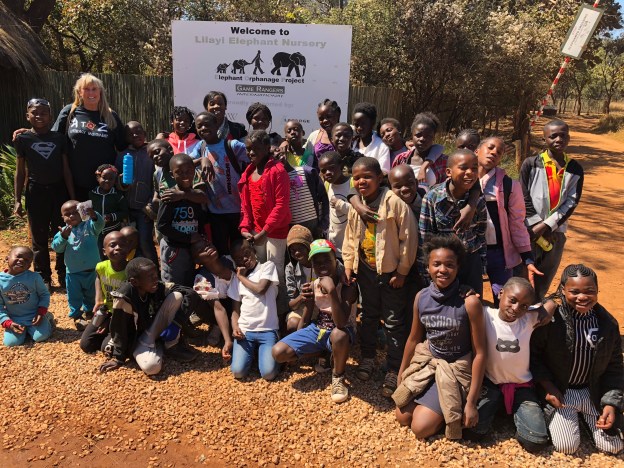
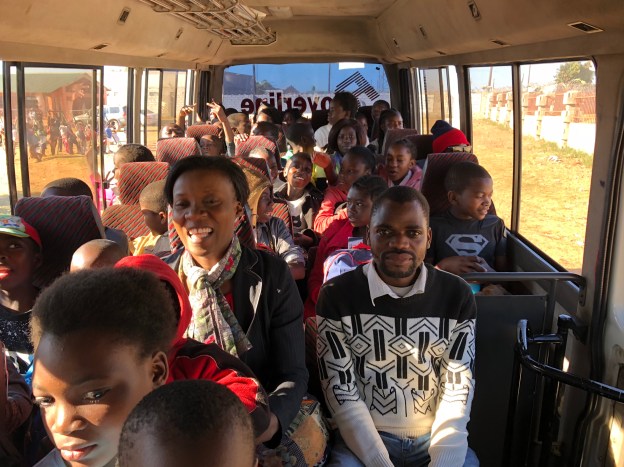
Some of the students and teachers from Shine Zambia had an amazing experience today, visiting an elephant rehabilitation center just outside of Lusaka. Excitement was in the air as they boarded the bus for our field trip. Experiences such as this don’t happen often, and judging by the engagement with our guides, with me and with their teachers…I’d say our day was a huge success!

20CD22F6-64E4-4191-902D-D8F5B5527020.jpeg

Students were quiet and reluctant to ask their questions at first. But as the day went on, students gained confidence to ask those important questions that help with comprehension, whether it be in an oral presentation or written text. Questioning skills are such a critical part of literacy.

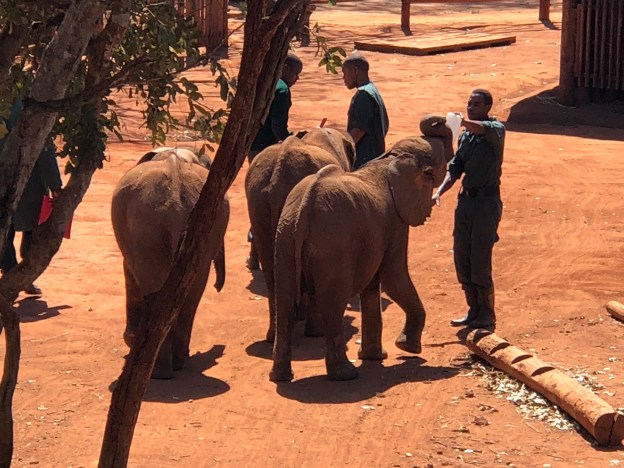
Children  took time to read displays, help me record a list of facts, and they were mesmerized by the baby elephants when they came in for feeding and “play” time.

A9912E65-8861-4080-A636-E4C87A20947A.jpeg

When we got back to school this afternoon we had a debriefing session where the students enthusiastically shared what they had learned. Hands were shooting up in the air to be called on to give information.  It was an incredible day for them, and for me…seeing them engaged in active learning and hearing them sing with joy all the way on the long bus ride.

23060B21-128D-4130-A246-67F84A9F858C.jpeg

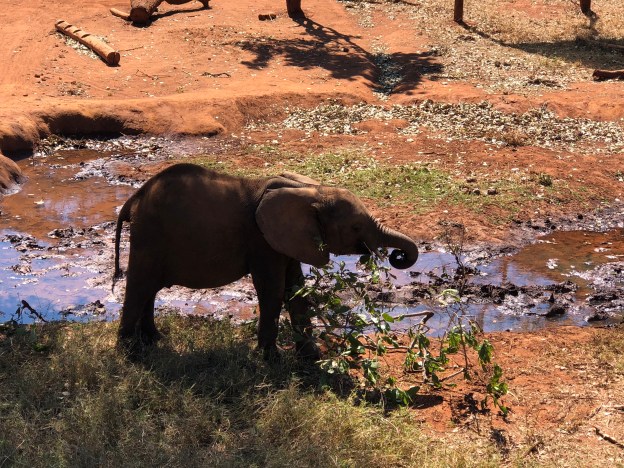
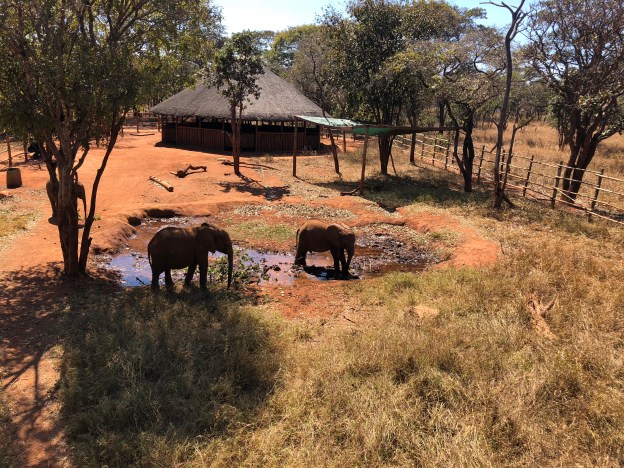
Watching those orphaned baby elephants be fed 2 liter bottles of formula/milk, eat leaves/sticks, play in the water, and interact with each other was a real treat for all of us!

4D819E2C-C6D8-48C8-BEAA-C3B04D865684.jpeg

B7CB33DE-CF10-471B-9C22-1008A7B5EE4E.jpeg

7A688226-E45D-4912-817F-4A87D8E77A09.jpeg

I will extend their learning tomorrow when each student will create a mini book to highlight facts about the elephants and the rehabilitation facility. They will include some of their own drawings, and write about their feelings and impressions from this special day.

4BD5BF76-A126-4808-9137-F9257AAB7703.jpeg

The Shine Community Photography and Writing Project

By Betty Trummel

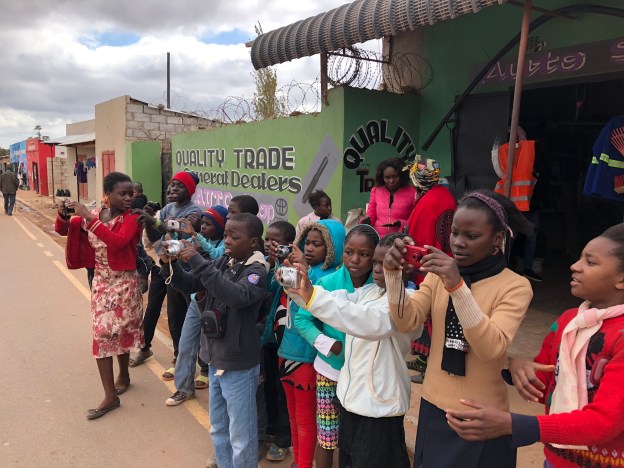
Last week the level 2 students at Shine Zambia walked with their teachers and I through their community. The purpose of of walks…a photography project that will inspire them to write about their community…through their eyes.

1BABDB8A-4800-42DE-B107-45FA34B59762.jpeg

44E8AD40-AC53-42CF-BA2A-6A56AFBEE6AE.jpeg

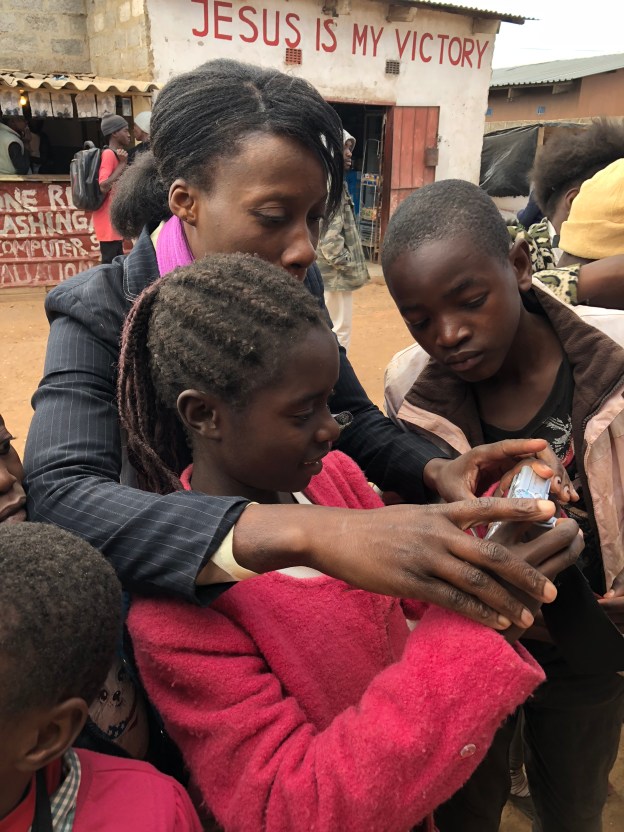
Each night I have printed out photos on a small portable printer so I can them with the students…so they can see their community come to life through their eyes—their photography! This week…the writing begins, and hopefully doesn’t end. I want these children to tell their own stories about their lives and the community at the crossroads of Mutendere, Valley View, and Kalikiliki…the community surrounding Shine Zambia Reading Academy.

I can’t use the student photos yet due to limits in my technology on this trip, but I stood alongside students as they took the same pictures as you’ll see here from my camera.

We asked people if it was okay to take their photo…most people said “yes” to our school project. Teachers were invaluable interpreters, sharing the purpose of our community photo walk with residents of the compounds.

Thankful for the people of these compounds and the children and teachers who shared so much with us on our community walks. This is a busy part of Lusaka and as in many places around the world, there are both joys and challenges. I can’t wait to do our writing lessons this week and to hear the student voices shine through! Enjoy a few more photos from our walks.


Common Denominators

By Alia Hammerstone

3BDD9811-7278-41BD-84D4-569B2F3C44D2.jpeg

There are certain aspects of teaching and education that have proven to be universal. Sure, the differences between a Zambian classroom and an American classroom appear stark at first glance. One affords little comforts or resources- desks, chairs, and a whiteboard. The other overflows with technology, books, and creature comforts. But after pulling up a chair, sitting and observing, I have noticed several similarities that I find to be more important than anything else.

  1. Good teaching transcends continents. School of Hope is fostering phenomenal teacher talent- I am getting to observe and learn from some truly phenomenal educators. Giving students the opportunity to discuss and think critically, work with small groups, problem solve with real-life projects, and empowering students to feel a sense of independence and accomplishment are universalities of good teaching. I have witnessed the teachers at School of Hope doing all of the above, with a fraction of the resources available to teachers in the U.S. No resources are required to get kids up and moving, talking in small groups, acting out the scene of a novel.
  2. Teachers want to make a difference. While observing teachers in Zambia, it has become evident that teachers here are just as passionate as teachers in the U.S. when it comes to making a difference in the lives of their students. The teachers I have met demonstrate their commitment to teaching regardless of the obstacles they face- teaching children who have been orphaned by the HIV/Aids crisis, walking an hour to and from school, teaching 90+ students in a classroom quite literally open to the elements. One teacher put it best when he said that we educate children because we know they will build the future.
  3. Students want to feel respected and loved. A few of my favorite questions to ask students are “What makes a good class?” and “What makes a good teacher?” These have proven to be just as enlightening in Zambia as they are in the U.S. Students here all reiterate the love they have for courses where a teacher demonstrates a passion for the subject and a respect for the students. A teacher who shows patience and compassion is equally important abroad as it is at home. Though they come from drastically different circumstances, students in the U.S. and students in Zambia value the same qualities in their teachers.


A Professional Development Day!

Written by the A to Z team here in Zambia…Mal Keenan, Alia Hammerstone, and Betty Trummel

3D6AE73B-51BA-4356-A5F1-BF6B14278BF1.jpeg

From Mal…

What a GREAT day!  The teachers who attended the Shalubala Inset today inspired me as they traveled to School of Hope from all over the zone.  The men and women arrived ready to participate in a day of professional learning with workshops presented by both Zambian and American teachers.  I truly feel honored to have been included in this opportunity to gather, share ideas, and collaborate on how best to serve our Zambian students.  As for me, I hold literacy close to my heart, so to share strategies on reading and writing was fulfilling and heartwarming.

080DC34B-2082-4039-B61B-6F090E12BC5D.jpeg

From Alia…

Today afforded me another phenomenal opportunity to grow professionally while here in Zambia.  The teacher inset hosted by School of Hope brought together hundreds of teachers from all over the zone.  I was truly honored by the educators who participated in discussions with me that centered around social/emotional learning and students engagement.  Not only was I able to share suggestions on the two topics I hold near and dear to me as an educator, I was also able to continue to learning from the brilliant teachers seeking to strengthen education in Zambia.  They do so with the mindset that these students will build the future of the country.  I am continuously amazed at the hospitality and warm-welcomes, and forever thankful for the new friends and colleagues.

BEDF5425-66B4-4C6F-BEF1-C43E96C07CB3.jpeg

From Betty…

As I looked out at the sea of teachers attending today’s inset (another word for workshop) it reminded me of all of the times I attended professional development sessions throughout my career. Opportunities like this don’t come along often enough for these educators, who are dedicated to bringing the very best to their students, despite sometimes very tough odds. Many of the students and teachers in this zone walk long distances to go to/from school each day, and the teachers are often asked to do their job with large class sizes and very few materials.  But, I saw positive faces in this crowd, a hunger for learning, the desire to bring new ideas and methods into classrooms, and a wonderful sense of commeraderie.

I thoroughly enjoyed presenting my three sessions and interacting with the teachers.  As always, it was such a joy to be at School of Hope, and I only wish it had been for longer.  Back in Lusaka now and gearing up for week 2 at Shine Zambia.

FC36A288-05F9-4F29-A833-866417CE2CEE.jpeg

DAB3AAE4-1634-4F77-B0DF-B4DA7C4D87AE.jpeg


Favorite Quotes Heard This Week in Zambia

In no particular order . . .

  • Teacher: “When you are learning new concepts, it makes teaching easier.”
  • Student: “I am pushing myself because I want to be somebody in life.”
  • Head Teacher: “This country will be built on these children and one day things will open up.”
  • Teacher: “Challenges tend to trickle down.”
  • Student: The benefits of being educated is to know the dos and the don’ts in life.
  • Teacher: “I walk 10 kilometers to school every day, and if I walk fast, it takes me 45 minutes.”
  • Teacher: “Teaching is a true profession in Zambia.”
  • School Director: “The AIDS epidemic took the strong and left the weak.”
  • Teacher: “This is math but comprehension is involved.”
  • Teacher (asking for another idea from class): “Calvin, add your voice to that one.”
  • Student: “I appreciate what I have.”
  • Student: “A lion will eat grass if he doesn’t have meat . . . I will do what I have to do now to support my family.”
  • Missions Director (discussing the effects of AIDS in the country): We are dealing with generational bookends.
  • Director: You can’t fight what God has in store for you.
  • American missions pastor: “This experience makes you look beyond your own belly button.”
  • Teacher: “Speak up so your friends can hear you.”

A Message: “The Danger of a Single Story”

A Message:  “The Danger of a Single Story”    By Betty Trummel

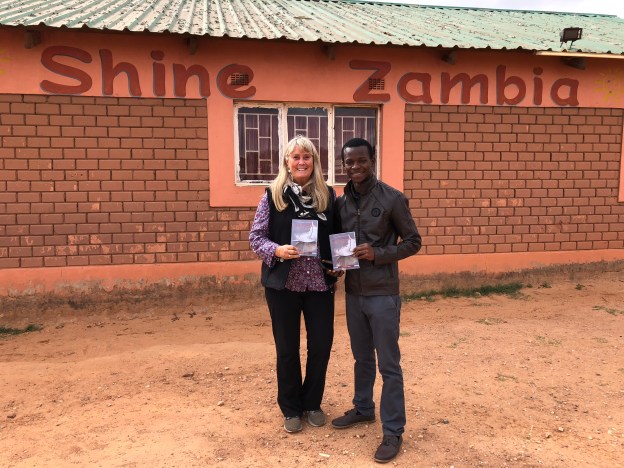
This morning I had the amazing opportunity to meet a young Zambian author, Perrykent Nkole.  An articulate and extremely friendly 20-year old, Perrykent sees things much the way I do in terms of how in every culture, people deserve the chance to tell their own true story.

This same concept is adeptly shared by African novelist Chimamanda Ngozi Adichie. On the TED.com page for her talk, it’s mentioned that Chimamanda gives us a warning:  “If we hear only a single story about another person or country, we risk a critical misunderstanding.”  I totally agree!  I urge you to listen to her inspirational TED talk which can be found at: The Danger of a Single Story
E72478F2-7166-4919-8323-ABBA1CD42E60.jpeg

Perrykent has just recently published his first book, “Birds of Different Feathers.” He shared his path with me…”I grew up seeing people struggle for survival.  The world calls it poverty, but I called it my daily bread.” When Perrykent moved at the time of junior secondary school, he says “It was then I learned of the distinctive differences between the rich and the poor. Clearly I was one of the latter.”

This fact certainly did not stop this inspirational young man from achieving his goals.  Trained by the Media Network on Child Rights and Development and placed under a project called the Children’s News Agency as a teen, he spent four years working on his book…a book that paints Zambian/African pictures and tells more than a single story.  I already can’t put the book down…the blend of metaphors, narration, natural elements representing people and bits of society is wonderful and conjures up rich images of an Africa I’ve only seen a tiny slice of in my four visits here with A to Z Literacy.

The biggest link between Perrykent and I is our passion to help others tell their own true stories.  It’s one of the BIG projects I’m working on with students and teachers at Shine Zambia Reading Academy while I’m here for two weeks.  My mission is encouraging connections to community…using photography, drawings, and writing to help the children at Shine tell their authentic stories.

536DAEDB-8D66-4BB7-8A59-76C46C165C08.jpeg

All four level 2 classes have walked with their teachers and I through the compounds of Mutendere, Valley View, and Kalikiliki…with digital cameras in hand.  We’ve had great discussions about what is important in these communities, the joys, the challenges, the people…the real stories of this place on the planet.  I started this project two years ago when working with A to Z Literacy in Zambia, and on this trip I’m adding rich layers of knowledge for myself, and finding more ways to encourage the students as they photograph their community.  Each night I’ve come back to my room at Serenity Lodge and have printed out their photos on a tiny Canon printer I brought with me.  Browsing through the myriad of photos, I am delighted at the results of these emerging photojournalists.  Clearly they are now taking a closer look at their own community and life.

The harder piece will be the writing…that will take place next week when I spread the photo prints on the tables at school and encourage children to begin to write about their life…to begin to tell their story.  The photos will serve as a motivation and reminder to them…to create a spark to begin the writing process.

Tomorrow I’ll be posting a photo gallery of some of the types of images students have captured this week.  These images will be from my own camera for now (since I do not have the technology with me to easily transfer them to my iPad) but rest assured, I was standing side-by-side with students when every shot was taken. Their photos are safely tucked away for sharing when I get home.
4E3C76E9-1600-4F10-A800-32B81A3971B6.jpeg

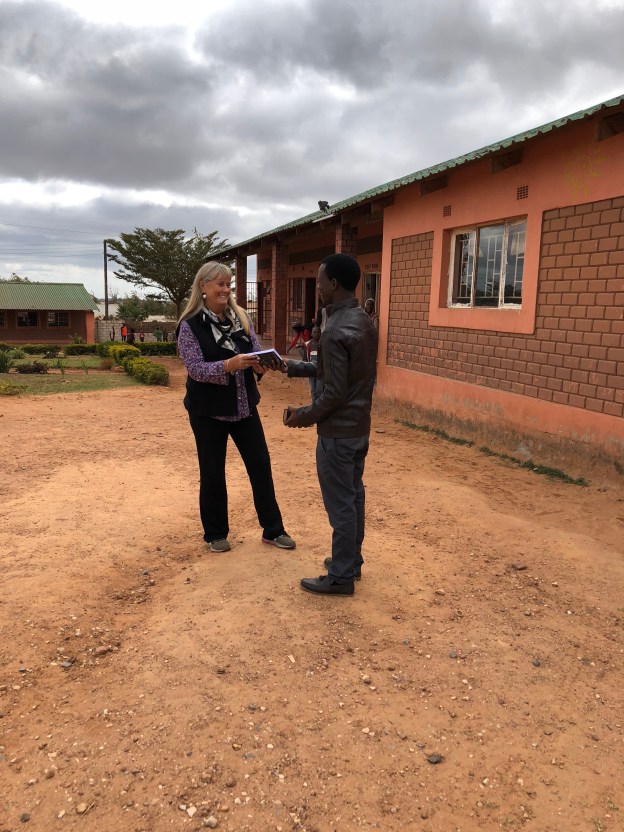
An inspiration, Perrykent Nkole…I thank him for taking time from his busy schedule to meet with me this morning.  His words are a lesson for us all…as Perrykent said on a Facebook post about our meeting today, “No one will tell the African Story better than Africans.”