Over the last three years, teachers and students at Husmann Elementary have been working diligently to promote the mission of A to Z Literacy Movement. Husmann first graders found out what it was like to donate books to a school in Africa that did not have literacy resources like in their own 1st grade classroom. Inquiry based learning inspired a group of fifth grade students to fund raise and purchase Aqua Packs after reading about the hardships Zambian children their age face on a daily basis and researching what they could do to help Zambian students have access to a much needed resource – clean water. Fourth grade students utilized writing workshop time to create small books to send to Zambian students while learning about Zambia’s culture and way of life through a literacy station. These projects have benefited students here and across the globe by increasing literacy levels and the love of learning.
Author Archives: atozliteracy
Paper and Pencil


It Must Be Learned
This year is a bit different for me as a middle school literacy coach. I’m fortunate to work side by side with teachers as we currently help students recognize the importance of expository writing and how to go beyond the text when reading. Meeting with small groups to work at their instructional level is another highlight of my life in the middle school. But at 10:45 each day, I make a mental shift, and walk next door to the elementary school to work with two first grade students who are learning how to read. The process is incredible and overwhelming as I make my way through Reading Recovery training.
Did you know that attending to print from left to right when reading English is not instinctual, nor is it programmed in the brain? It must be learned (Clay, 2005). These little friends are just figuring it out. They are putting together the ideas that letters make up words. They are noticing the pictures and checking to see if what they said matches the text on the pages. Observation is a vital part of my lessons and has helped me to discern what these young students control and what is still unknown. Carefully watching, taking notes, and really listening helps me to know what to include in my next lessons. Never before in my teaching career have I been so in tune to such small details. Honestly, it’s enlightening. I’m once again learning where reading starts and appreciate this opportunity to go back to the beginning.
Lifelong Learner
For my birthday this year, I asked my sweet mom to buy me the book, So What Do They Really Know? by Cris Tovani. I also asked for Kelly Gallagher’s new book, Write Like This: Teaching Real-World Writing Through Modeling & Mentor Texts. Sure, I used to ask for cool shoes or a fun pair of earrings, but now I’m on to professional reads. Why? Well, I guess I am still trying to figure it out. I’m still trying to find another way to help my students. I want to recognize what my students need to become successful literate adults.
Both books are outstanding (gifts that keep giving) and I’ve been taking notes while talking to friends about them (literacy = reading, writing & speaking). I’m a lifelong learner and I’ll be happy to model that for my students and for my children.
www.shinecharity.org
You are going to love the updated website for Shine Zambia! Please check it out when you have time.
Vineet Bhatnagar, the founder, has been hard at work in Zambia and is a true inspiration to us all.
The Reading Epidemic
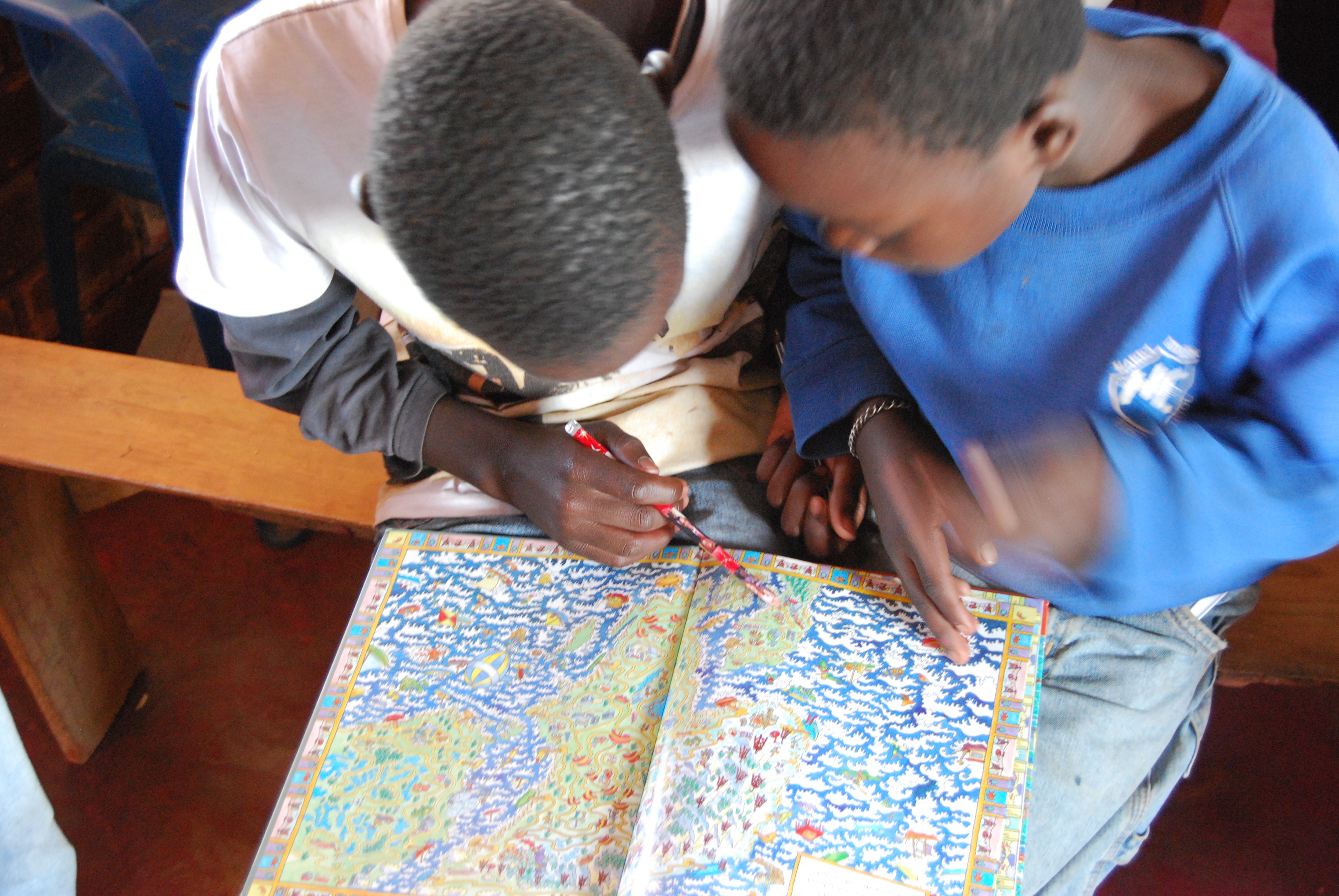
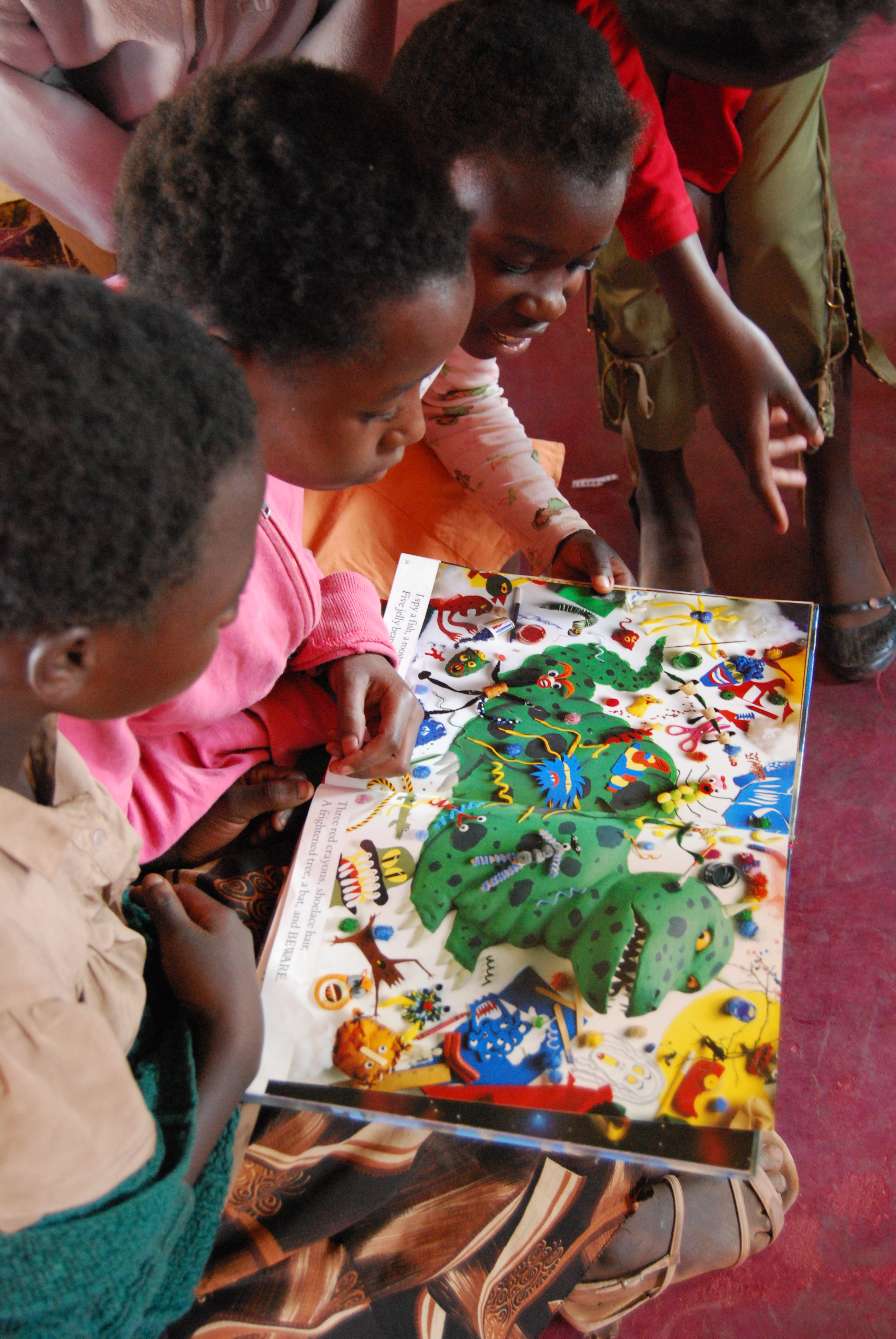
Zambia is plagued by aids, cholera, typhoid, malaria, and other epidemics. According to the dictionary, an epidemic is a rapid and extensive development or growth, usually of something unpleasant. On this trip to Zambia, there was one defining moment for me, and it was more of a redefining moment. Reading will redefine the word epidemic in Zambia. The definition will be transformed into the rapid and extensive development or growth, but of something great. June 23rd, 2011 the reading epidemic began. The origin? Shine Zambia Reading Academy. On our last full day at the school, Mal and I began to tackle the cabinet that housed some of the books donated by A to Z. After lessons finished for the morning, we sifted through book, flooded the floor with a sea of literature, and the students dove in. One child after another stepped to the back of the room asking for a book. In the midst of sweat, dust, spider webs, rat droppings, and books, I stopped and looked up. What I saw was the newest Zambian epidemic. Reading! Students stumbling over each other to get to a new book, shouts of excitement as they flipped to the next page in the story, the screech of fingers on paper ensuring no two pages stuck together, heads squished together so three and four students could see the page. This is the just the beginning. The students now have the bug, and resources, and it is time to let this beautiful bug infect the culture. A rapid and extensive development or growth, of reading: the reading epidemic.
Crack Open a Book
Mango Grove: As Delicious as it Sounds
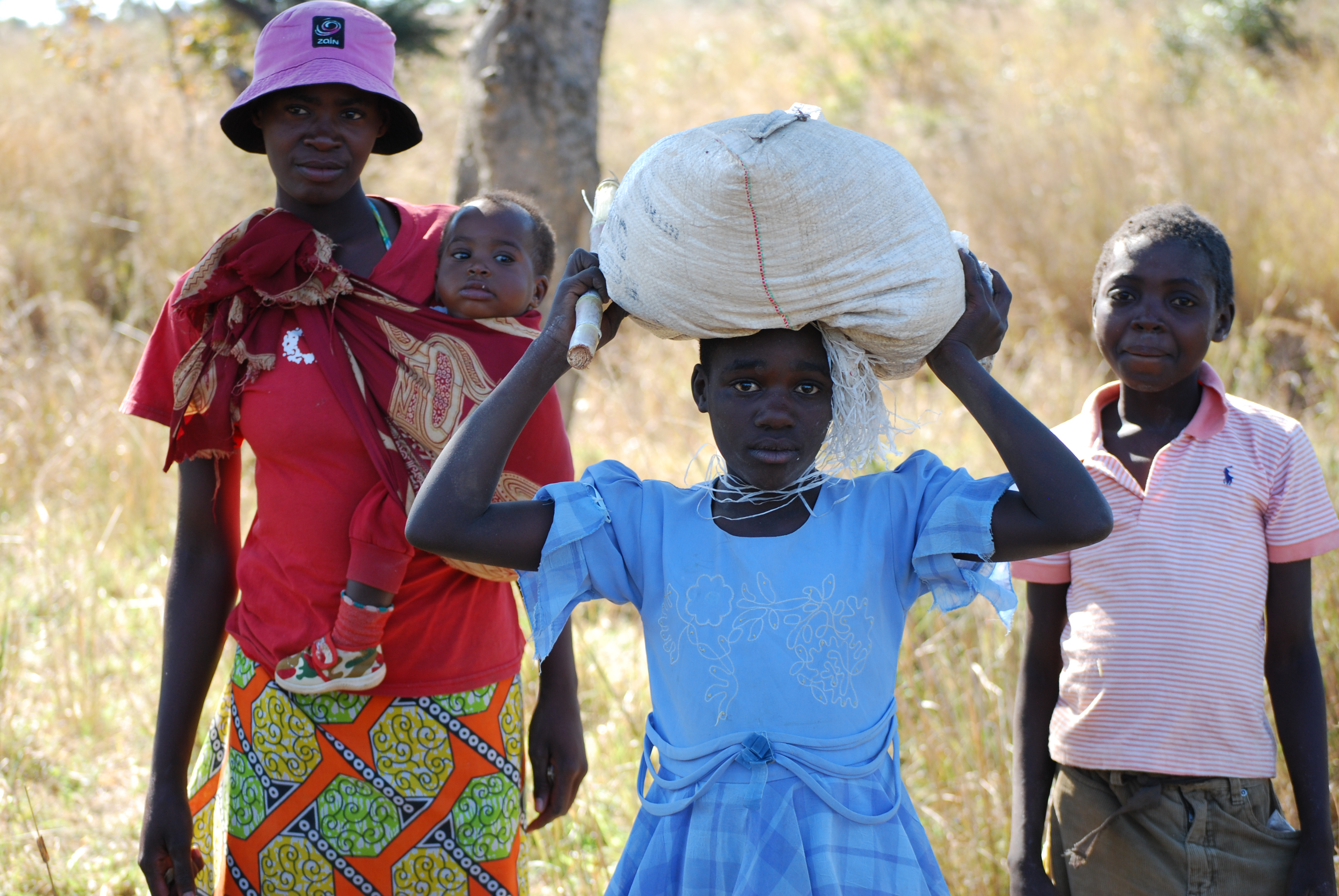
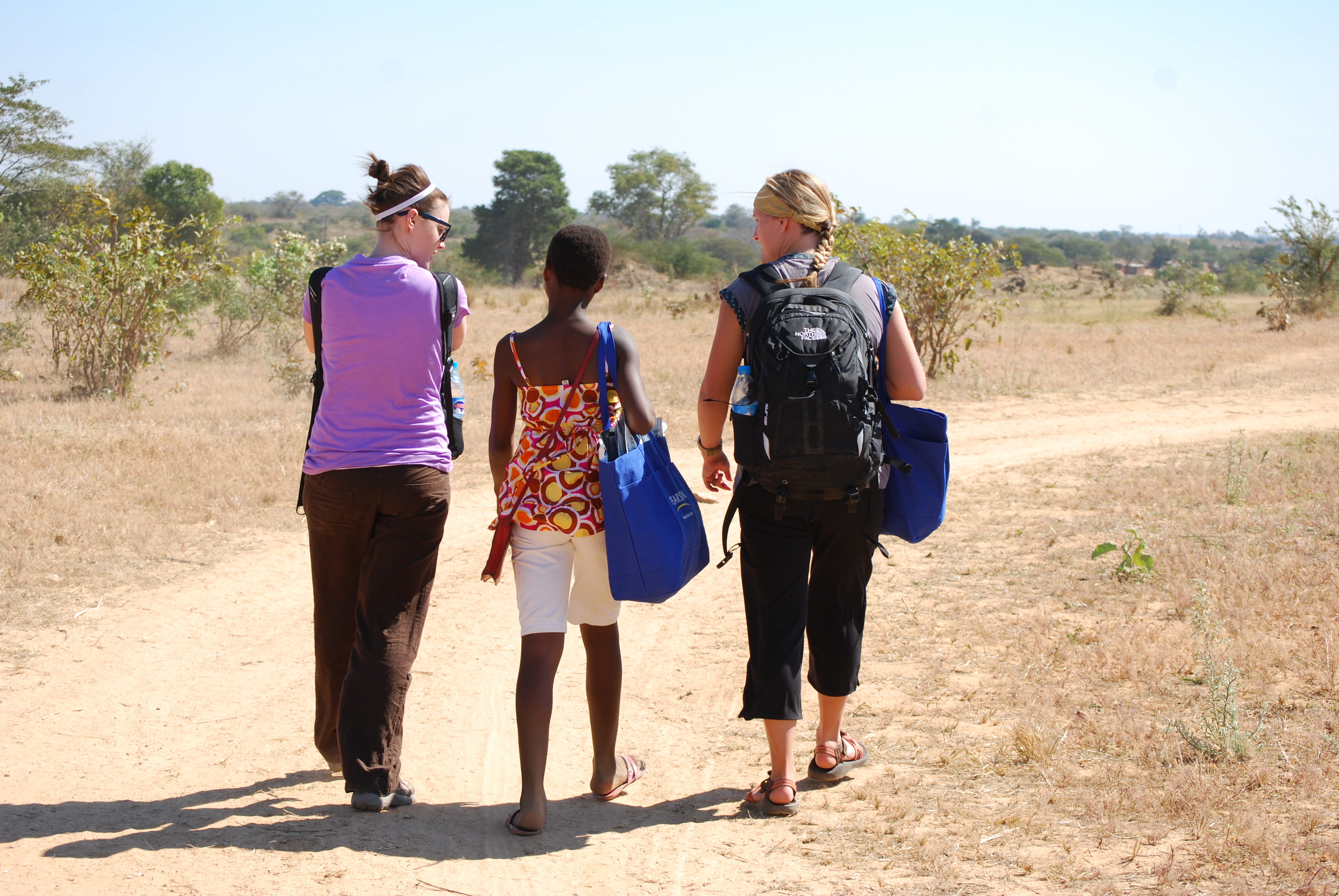
One of our goals on the trip was to explore other schools for A to Z Literacy Movement to help. One school we visited was Mango Grove Community School. It is a group of three small buildings plus a church erected by sticks and mud to form grades K through 8. Including the headmaster (principal/teacher), there are 8 teachers who walk 30 to 45 minutes each day to educate the youth of this compound. As we toured the school, we saw several things you would expect to see in any great classroom including: teachers grading on their plan periods, anchor charts for phonics sounds, science facts, and math concepts, students playing after being let of school, and rows of children eager to learn. This well organized yet struggling school is hoping for support in any way available. If we truly want the reading epidemic to continue to spread we must also be willing to spread out and reach more schools, staffs, and students. Mango Grove is the next area waiting to be infected with literacy love from the A to Z Literacy Movement.
Walking Around the Village
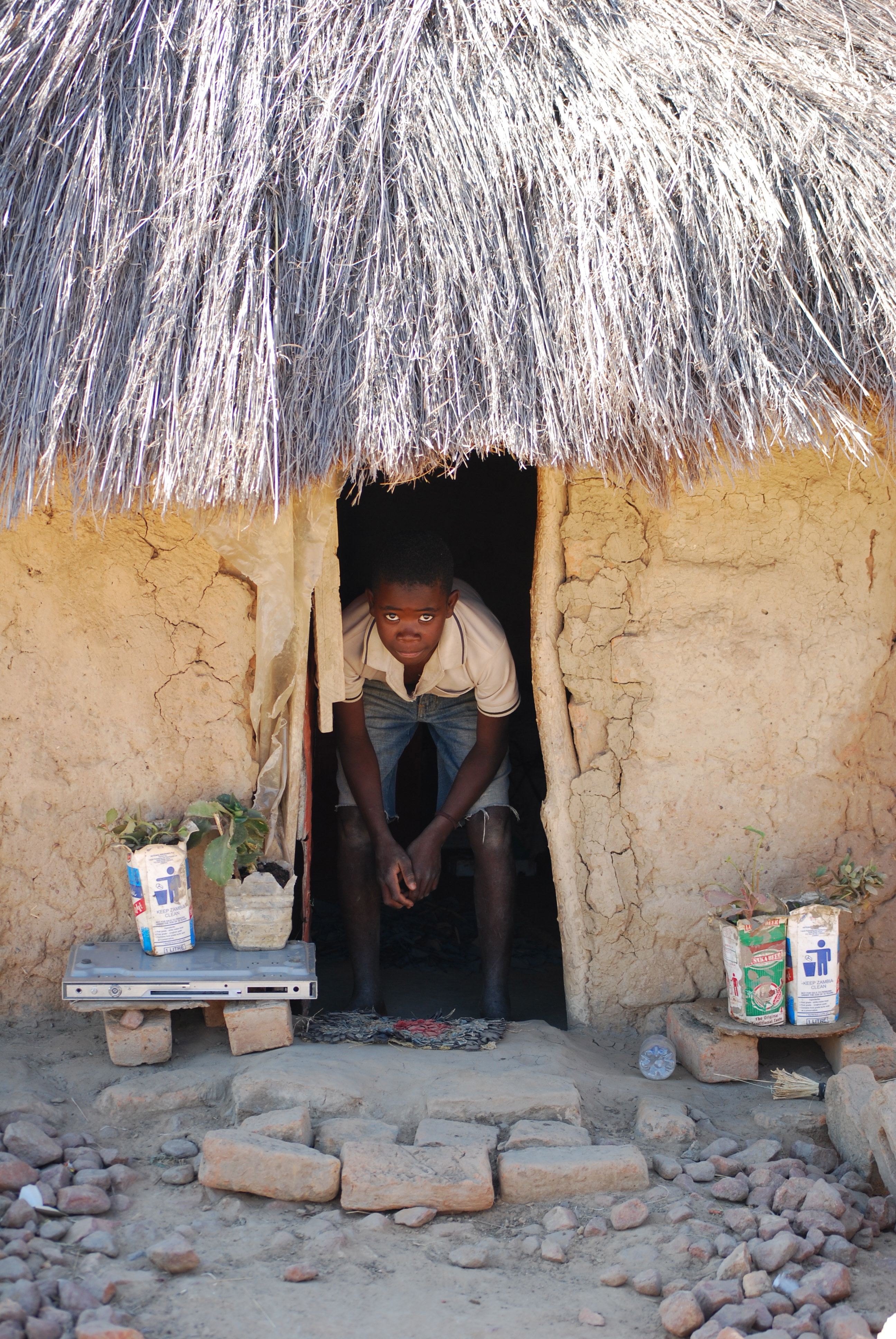
Walking Around Shine
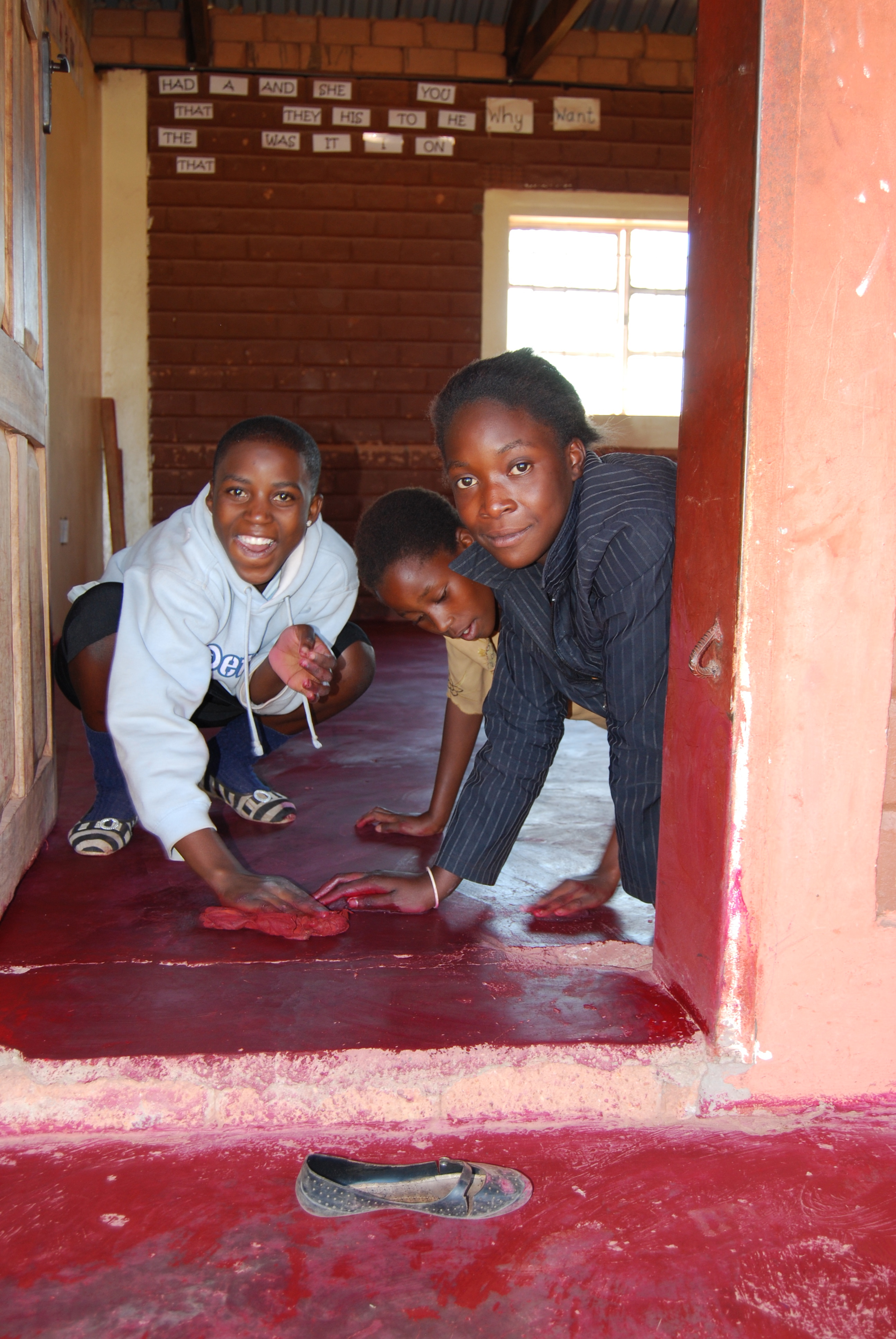
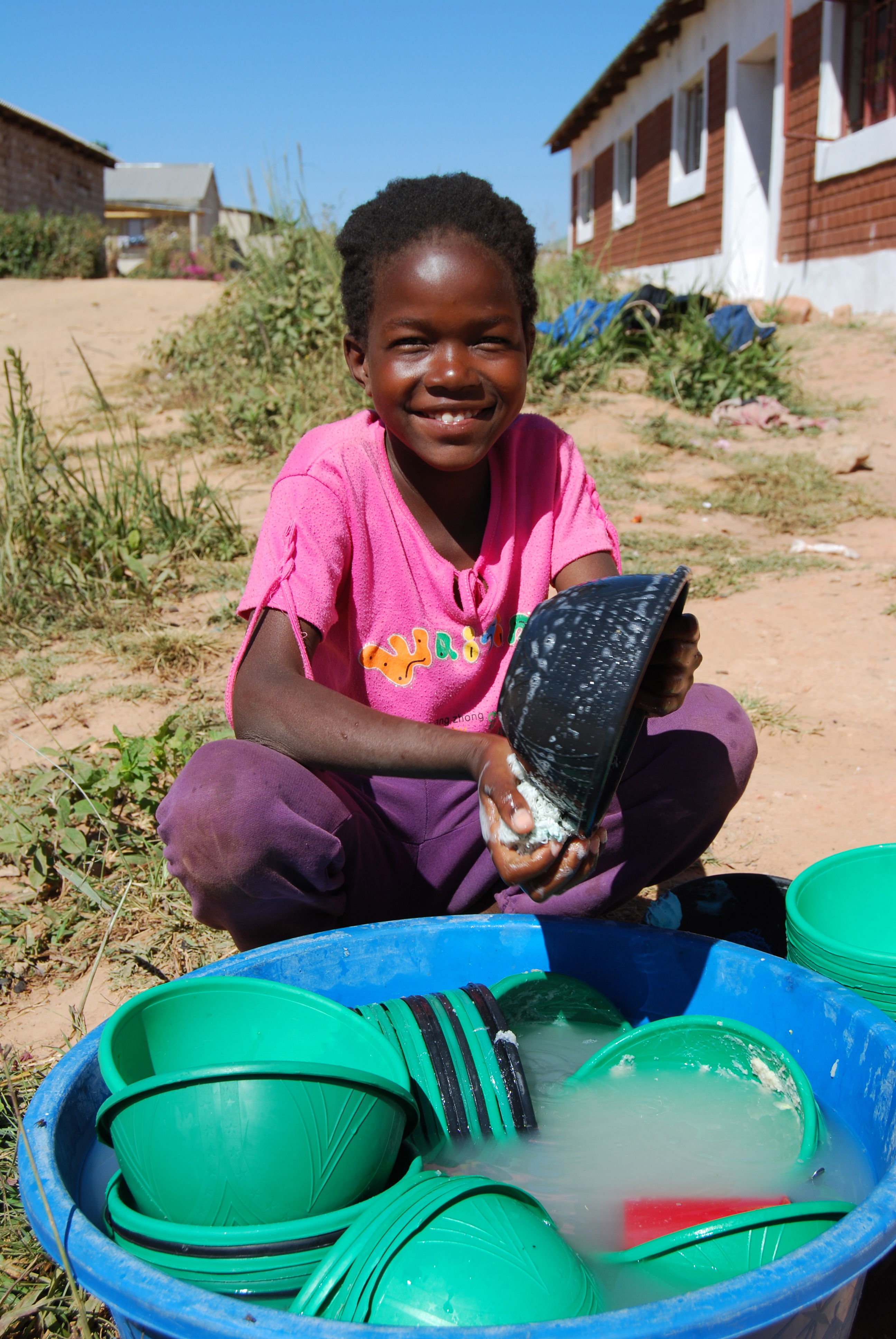
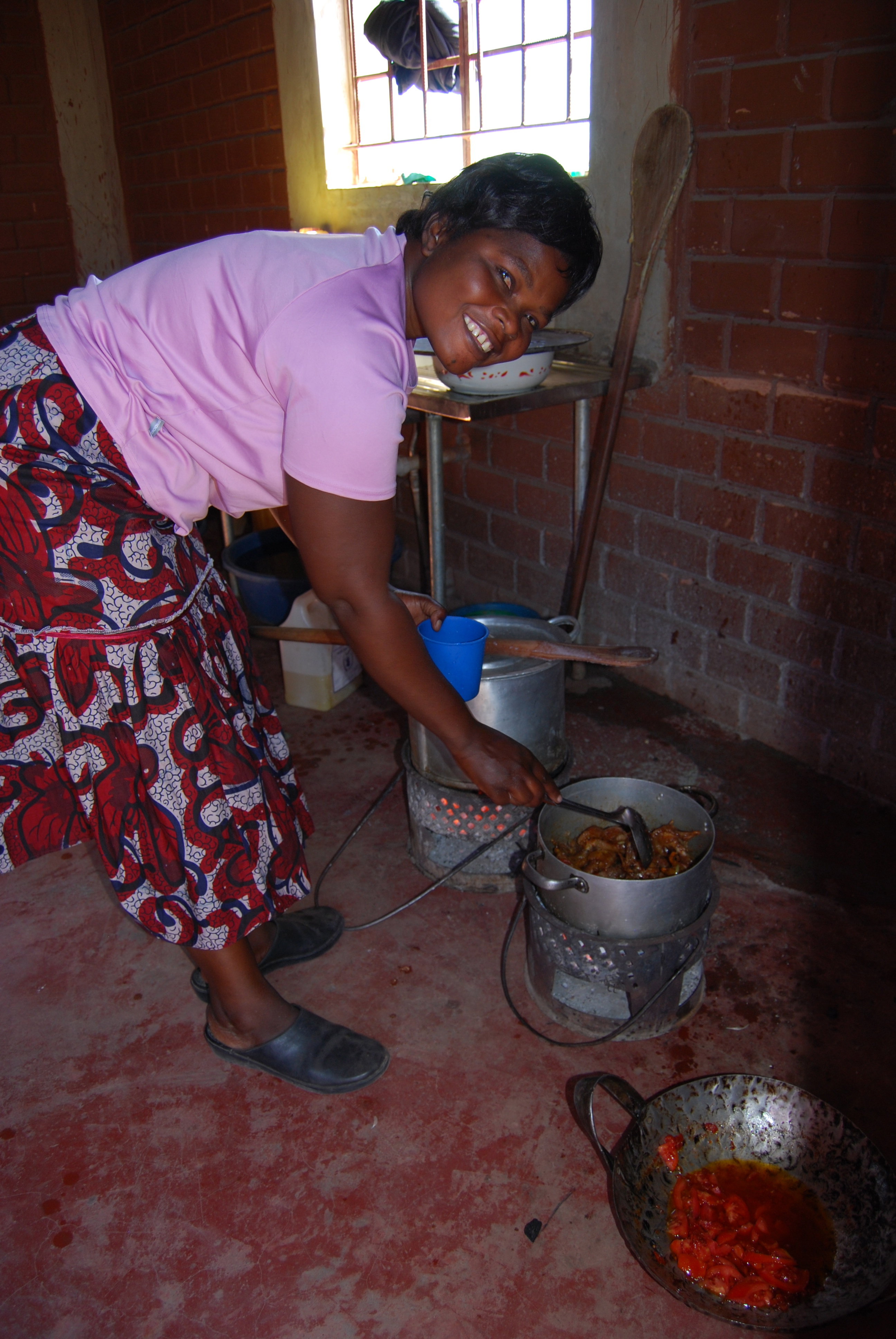
 A to Z Literacy Movement Blog