Zambian Student

By Mal Keenan

You wake in the dark and it’s cold.
You walk forty five minutes to school, dodging traffic on busy dirt roads.
You’re hungry but that doesn’t stop you from arriving to class on time.
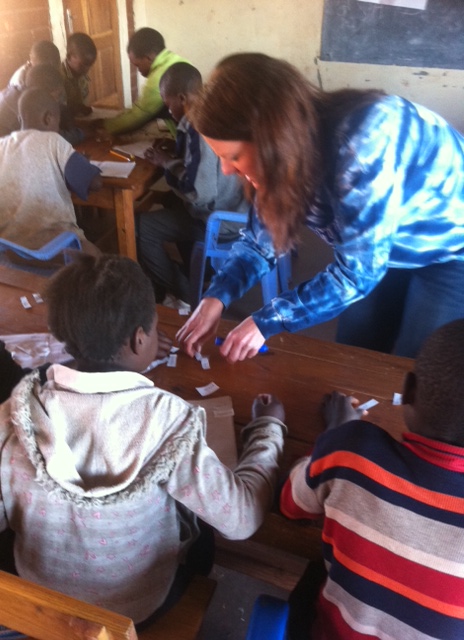
You sit at a crowded table with your peers- trying to find space for your flimsy notebook.
You eat the same meal at school – fortified porridge – but never complain.
You are resilient.
You have courage.
And you’re the one giving me strength to keep moving forward.

Ode to Early Childhood Educators

By Kalan Gott

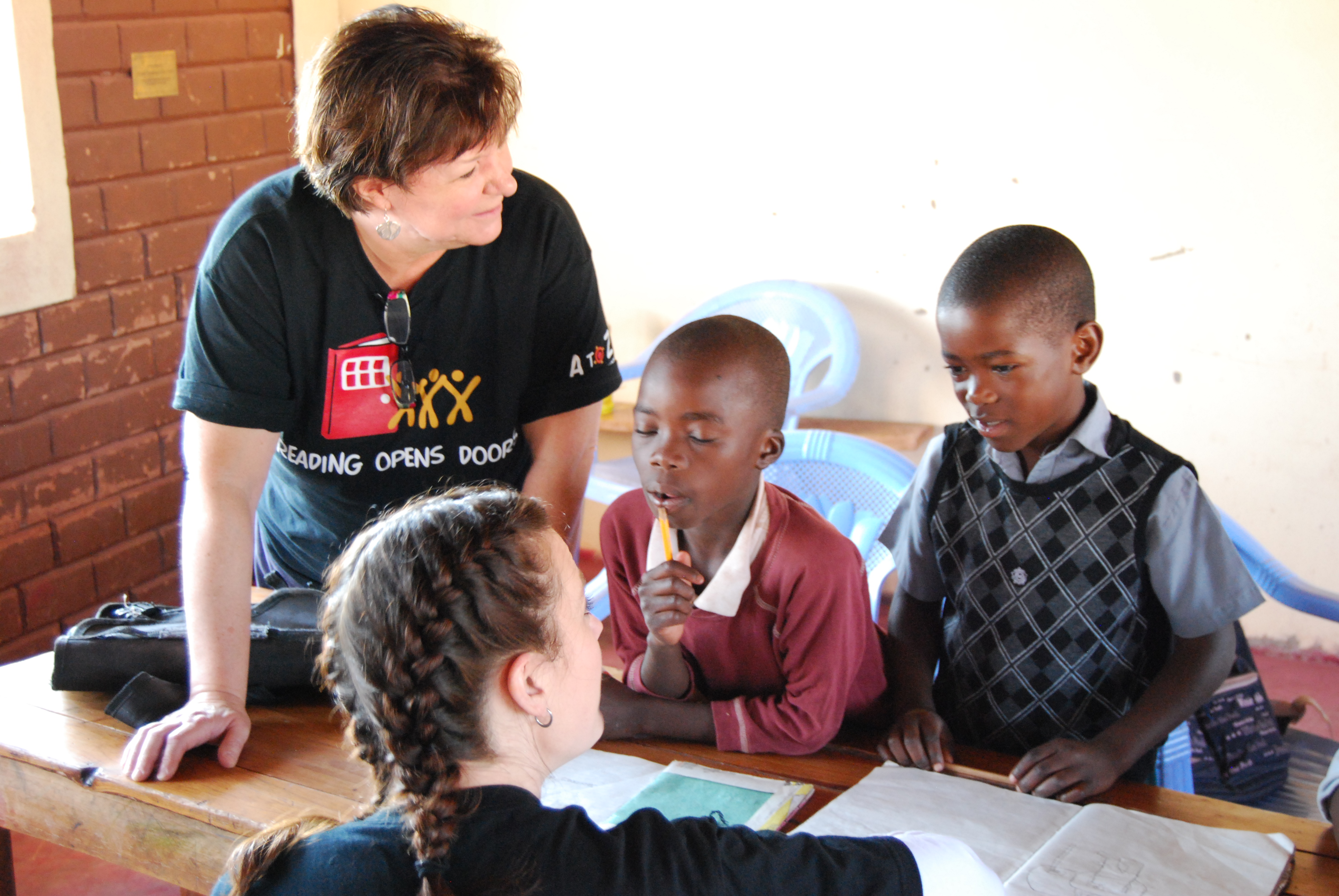
Today we visited Chishiko Community School in Chongwe Village. This school was born from a partnership between the community and the Give Life Project. It has been open for a month and consists of two classes. One preschool and one kindergarten. I am a middle school teacher and this was an enormous eye opening experience into the invaluable work of the early childhood educators around the world. They are given the huge responsibility of laying a foundation for literacy. The students in early childhood classes come to school with wide varieties of literacy experiences and levels. Their brains are starving for knowledge. They move constantly-figuring out their world and learning to interact with each other. It was amazing to watch Teacher Doreen and Teacher Bornwell work with their students. Thank you for your service and dedication. And to all of the early childhood and primary teachers thank you for continued work in sculpting and scaffolding the literacy lives of these little learners. Below is my Ode to Early Childhood Educators.

Ode to the songs you sing
the smiles you bring
the hearts you touch
for teaching so much

Ode to the paths you lay
the minds you stretch each day
the energy you exude
for delivering rich brain food

Getting Books Into Little Hands

“Don’t ask what the world needs. Ask what makes you come alive and go do it. Because what the world needs is people who have come alive.” ~Howard Thurman

By Mal Keenan
One of the goals of A to Z Literacy Movement is to ship books to vulnerable children in impoverished communities. We have sent thousands of books to schools, Peace Corps volunteers, camps for kids, and orphan homes. Thanks to generous donations from people who believe in our mission, we now have plenty of high quality books to send.
The process isn’t complicated. A to Z volunteers gather books – picture books, easy readers, nonfiction, and chapter books. We sift and sort through them, deciding what’s appropriate for kids in Africa and what books will remain in the states for kids needing books locally. After being carefully sorted, the books are boxed and prepared for shipping. The boxes of children’s books are brought to the post office, where patient employees like Linda, spend a minimum of forty-five minutes weighing the boxes, processing the forms, and putting each box into an M-Bag. (Yes, I’m the person you don’t want to be standing behind in line.)
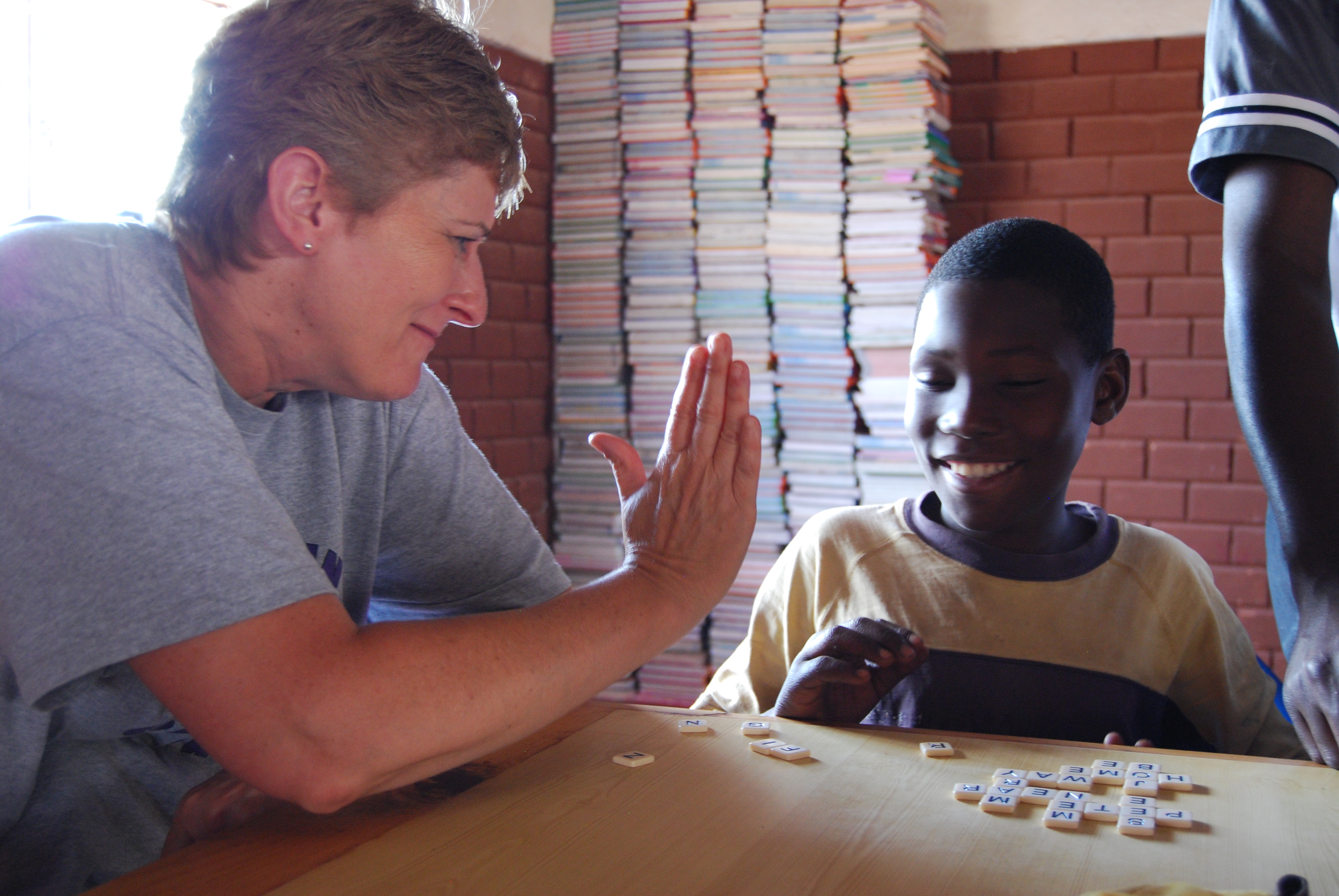
On Monday, we spent almost five hours at Every Orphan’s Hope office unpacking the books we sent earlier in the year. It was a wonderful experience going through the books once again, commenting on books we love, talking about favorite authors, and discussing how certain books have moved us. Six hundred eighteen books were numbered and catalogued for the seven (soon to be eight) orphan homes in Chongwe, ready for check out, ready to be enjoyed by children.
Why did the five Crystal Lake teachers cross the Atlantic?

By Ann Yanchura

That’s a good question. Let’s examine this, particularly in the face of some minor but pointed criticism of our mission of building literacy in another country when our own home has many struggling readers and writers. We are blessed to have the opportunity to make global literacy connections that will benefit those with whom we work here in Zambia, those with whom we work in America and, certainly us individually.
A to Z Literacy, founded by Mal Keenan, Michelle Rentzsch, and Stephanie Brown, is a fledgling movement to share the love and skills of literacy with people everywhere. Through missionary friends, Mal felt called to work in Lusaka, Zambia, and her work is growing the literacy support community in Crystal Lake. Eventually, this work will grow to more outreach at both the international and the local level with your support and the small successes we are experiencing today.
Being out of our comfort zone here in Zambia helps us to grow professionally, personally and spiritually. We will carry our learning back to Crystal Lake, Illinois, where, for the other 50 weeks of the year, A to Z volunteers are working to build the literacy culture exactly where we live. We are all the better for our work here in Zambia. From America to Zambia and back again.

Five Heads Are Better Than One

By Kalan Gott

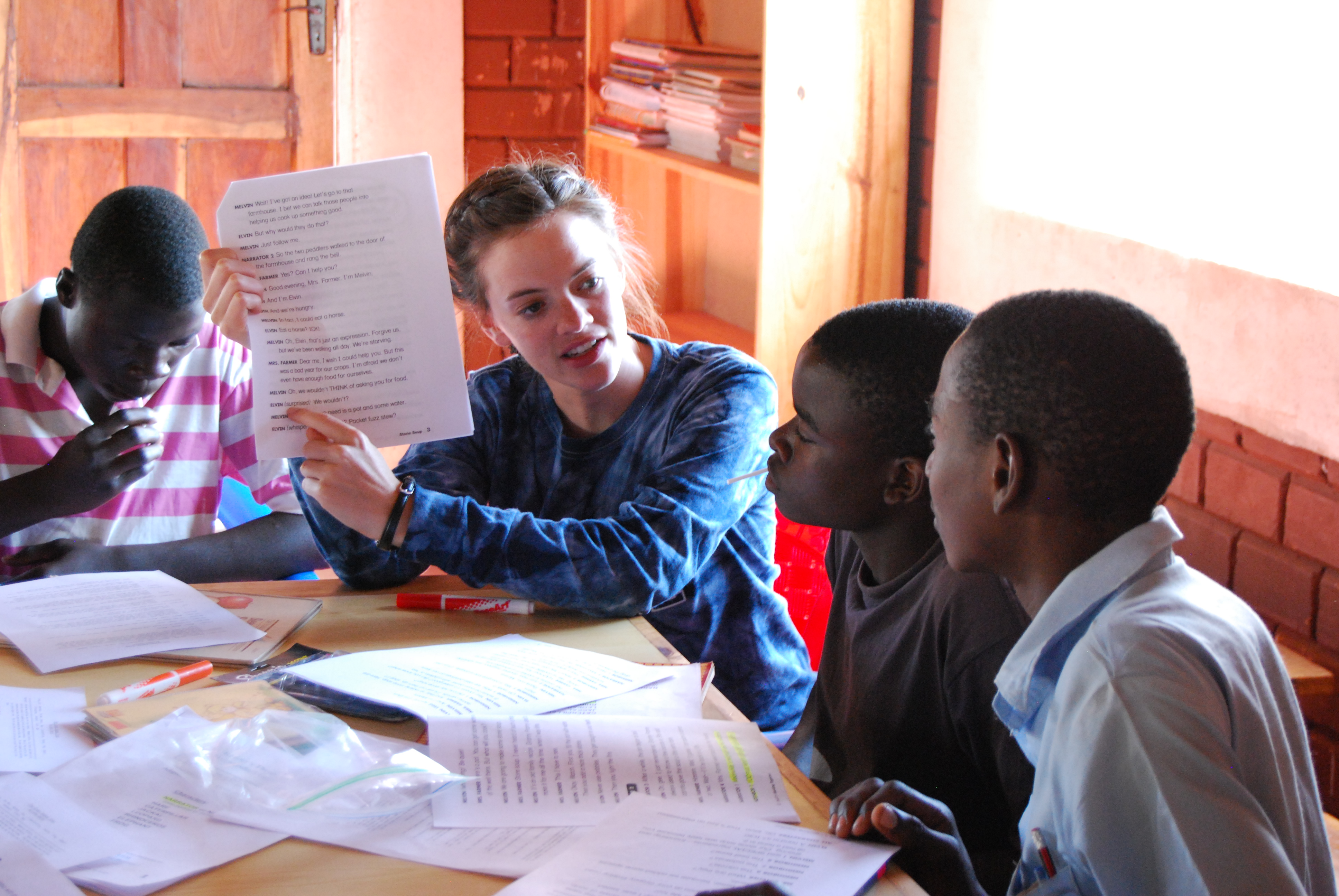
One of our goals this year is to model the importance of letting the students talk to each other. As people we know that when we brainstorm with others we come up with more and better ideas. The saying goes five heads are better than one. Last year when Mal and I were here we spent all day in the same classroom getting to know one group of students. We strengthened our relationship with the students, staff, and school. However, this year there are five in our group. With five women working together here is some of what we have accomplished this year: modeling reflection, professional discussion, incorporation of reading, writing and speaking into lessons, questioning to guide deeper comprehension, collaboration among teachers and library staff leading to more deliberate instruction, incorporating a system of checks and balances, and planting the seeds to grow a professional learning community. Week one afforded us the opportunity to work with eleven inspiring educators. I look forward to seeing what week two brings!

How are we the same? How are we different?

By Ann Yanchura

The focus of my lessons for children (and their teachers) in Zambia is the use of academic language. It’s something many of us who are reading and writing this blog take for granted because we know the words to use when you summarize, describe, question, etc. In my lessons at Shine Academy in Kalingalinga, we are comparing and contrasting schools in Zambia and schools in America. After reading a wonderful book called WHERE IN THE WORLD IS HENRY? by Lorna Ballan, we talk about where in the world we live. Blow-up beach ball globes were easy to pack, and the kids love seeing our two countries on them. When we created a t-chart to compare our schools, we found that we have reading, writing, good teachers, and books in common. Some of our differences are that we have school gymnasiums in America, and they have vegetable gardens where chickens wander at schools in Zambia. Lucky for us we all love school, reading and teachers – we actually have a lot more in common than we have differences.

How I Know I’m Not in Crystal Lake, Illinois?

By Anastasia Gruper

*People walking out number the people driving.
*I am perplexed and amazed at the weight people are able to carry on their heads.
*A rooster and I compete to be the first one to see the sun rise.
*I stand in awe of one of the Seven Wonders of the World while being drenched.
*Baboons walk next to me, and I fear may even take the sunglasses out of my hand.
*I plan by headlamp every night while the power is out.
*A power outage is a celebration of the night sky.
*My bright white legs look tan from the dirt embedded in my skin.
*It takes me an extra five minutes to figure out how much everyone owes for a dinner that costs k2,553.00.
*There are no strollers to be seen; chitenge anyone?
*Speed bumps appear out of nowhere…
*Nshima makes a delicious utensil for picking up other parts of my meal.
*Morning tea is not an option, no matter what, everything else can wait.
*Old tires make great toys.
*AM and PM do not exist; it is 14:33.
*100km is an average speed on the highway as opposed to 2km in the compound alleys.
*Wi-Fi is a luxury; a means of communication rather than entertainment.
*It is not necessary to eat and move at the speed of lightening; everything will get done whenever it does, relax…
*It is not a good idea to call home to Crystal Lake when it is noon Zambia; it’s only five am there.
*A routine police check point is a time for pleasantries.
*The cow on the side of the road may be saying, “after you madam.”

The Trip So Far…

By Mal Keenan
Educational: Fully understanding that when I brought four teachers to a foreign country, I became a travel guide, schedule planner, and Zambia expert…whether I had the answers or not…my super great team always looked to me for guidance…Responsibility 101
Funny: Being handed a roll of pink toilet paper at Shine on Monday before tea and white bread breakfast. Wondered if that was my Thank You gift for coming back…then realized everyone got a roll…no paper in the bathroom as it would just get stolen.
Promising: The older kids that have graduated Shine are still in school – most in grade 8. One of the students I’m keeping track of is Jonathan. He has shifted out of the government school (celebrate) and is attending African Vision of Hope School (on scholarship) near Kablonga compound. He walks an hour to and from school, but is driven to move forward in life. Need to figure out how he can attend college in the US.
Frustrating: Last week I was trying to navigate ridiculous traffic in Lusaka for over two hours with people everywhere – finding a place to park – standing in very long line – only to learn there were NO bus tickets to Livingstone available. Drat! (Worry and Anxiety had also set in at that point)
Informative: Demonstrating the gradual release of responsibility for teachers and then talking more about the “We Do” – something that is not part of the classroom instruction here in Zambia.
Enlightening: Discussing the importance of English Language learners with teachers, sharing the stages of language acquisition with them, and talking about how to best balance English and Nyanja in their classrooms.
Uplifting: Seeing the kids at the My Father’s Homes in Chongwe – these beautiful children are growing up in safe and loving homes with a mamas who care for them…what a blessing for these most vulnerable orphan children.
Inspirational: Talking with teachers at Mango Grove School and learning how they are deeply committed to their profession and to their students…these teachers earn almost nothing in salary, yet walk 45 minutes one way to teach every day at the community school.
Aggravating: Every night at 6ish the power goes out. It goes out ‘til at least 8:30…some nights 10:00. Lots of lesson planning in the dark with headlamps on and lots of peanut butter sandwiches as there’s no electricity to cook dinner.
Hopeful: Students like Pierce – my new seven year old pal at Shine. He has the spark. He is quite smart and has come to school every day with a letter for me…and every night I write him back. Others that give me hope include Joseph, Chrisma, David, and Frieda.
Challenging: Driving to Shine each day – avoiding holes and big rocks in the red dirt, scraping the bottom of the car anyways because there were five of us weighing the car down…and then keeping an eye out for small children,dogs, and other pedestrians walking along the narrow alleys in the compounds. So many “Jesus Take the Wheel” moments. 🙂
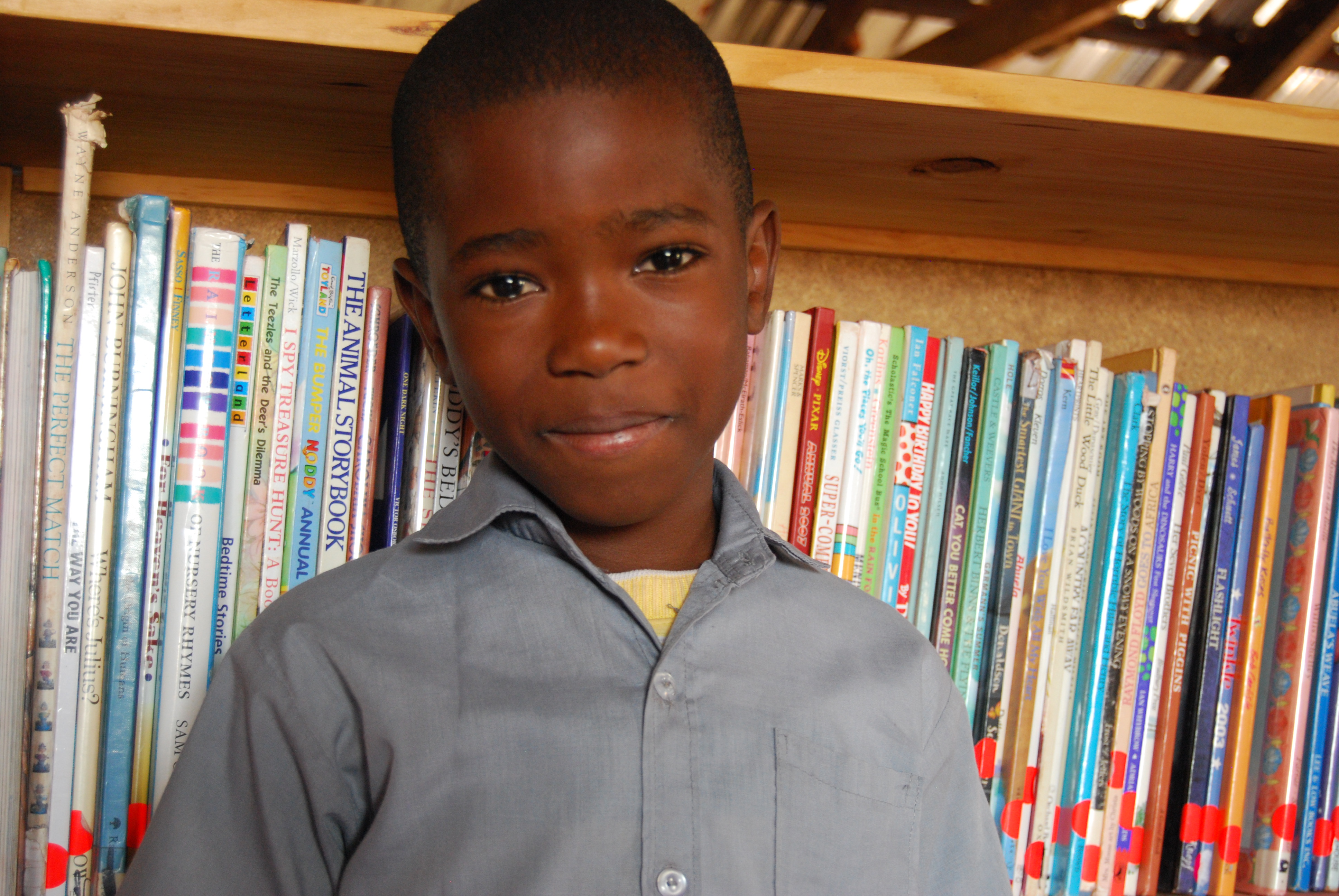
Amazing: Seeing all the books A to Z has sent to Shine Reading Academy’s library – an oasis in the middle of a poverty and despair.
Remarkable: Watching the four Crystal Lake teachers do what they do best. These women are skillful, intelligent, and have a gift to share with the teachers and students here in Zambia. Ann, Mariann, Anastasia, and Kalan have done an outstanding job and I’m blown away by their love for literacy and passion for teaching.

When You Think You’ve Seen it All…

By Ann Yanchura

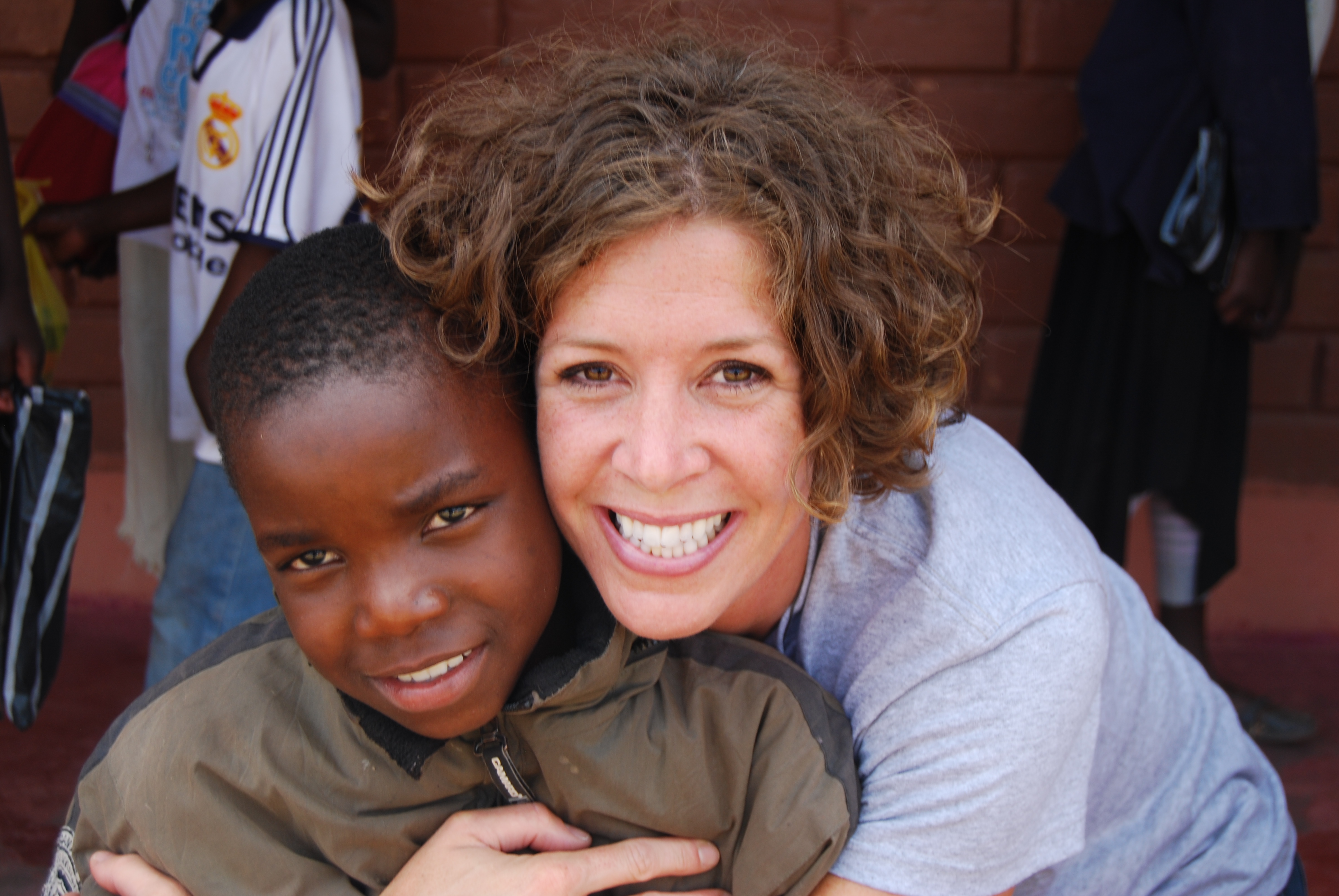
Children are walking to school in the morning – often in the dark – in bare feet. 31 third graders sit in a classroom that has two benches, a half dozen tiny chairs, and a wooden pallet for seating. Mothers take turns cooking rice or maize over a fire for 260 students every day so that they have a meal. 30 parents come to school daily for 3 hours after the children have gone home so that they, too, can learn to read and write. Children take turns using a pencil because they don’t have their own, and they sharpen them with an old razor blade. Younger brothers and sisters help scavenge at the roadside dump to find useful things for their families. Teachers walk 45 minutes to school every day over a route that includes walking on the side of a terribly busy road with no sidewalk and then along a dirt road that is dusty in the dry season and flooded in the rainy season. Then these very same children and teachers spend hours together at these schools without enough seats or books or pencils or food. And still they smile and study and hug complete strangers who come to visit. The children are hard working, well mannered, and cheerful. The teachers are committed and caring, strict and challenging. I can’t explain it, but I feel honored to be a part of this. I can’t tell you how many times adults and children at these schools have shaken my hand or hugged me while saying, “YOU ARE WELCOME HERE.”